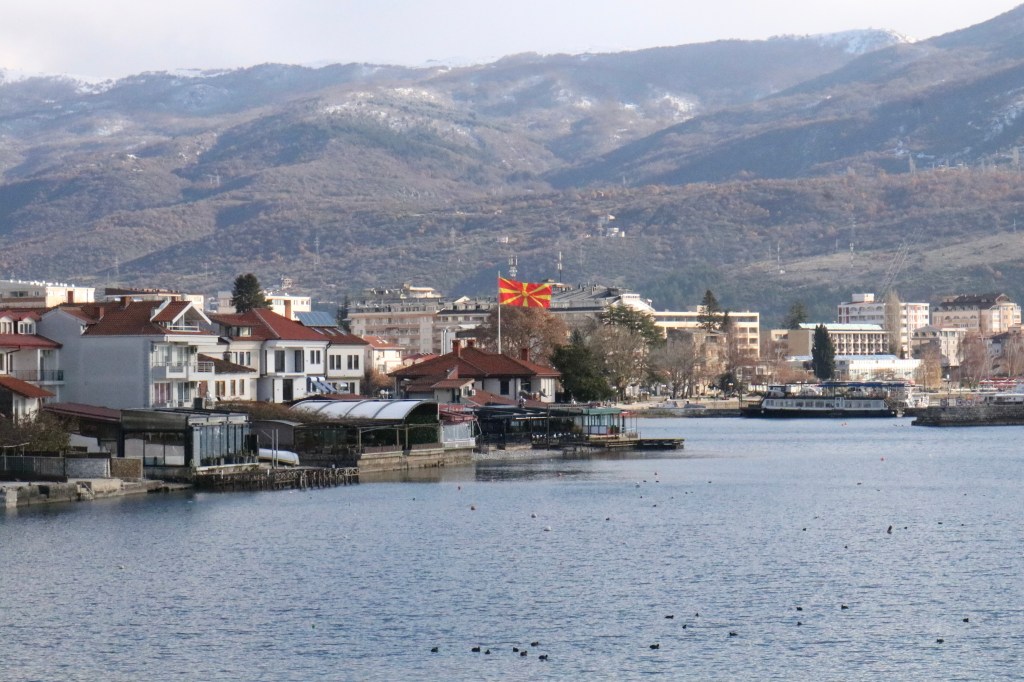
The southeastern corner of Europe has drawn a growing number of visitors in recent years. With some of the finest beaches, medieval old towns, dramatic mountains, and a distinctive cultural identity, all can be had for a fraction of the price elsewhere on the continent. No wonder the Balkans are getting more and more attention today.
Having visited almost every country in the region, the one I can still remember so vividly, and perhaps the one I loved my time in the most, is North Macedonia.
Once known as the Former Yugoslav Republic of Macedonia (FYROM), the country is sandwiched between five other Balkan nations. Its landlocked location and limited flight connections make it one of the least-visited in Europe, and unless you are a geography geek, it is also relatively unheard of (until the name change in 2019; still, not many people knew it happened).
But I had my eyes on this place for a long time. Not only for how obscure it was, but also for its scenery and unique history, and being the home of what I consider one of the most beautiful lakes in the world – Lake Ohrid. A few years ago, given that I was already in the region and there were direct bus services, visiting the country was finally possible.
Starting Off in Skopje
It was a cold winter evening when I boarded the bus in Sofia. The lights on board were dimmed, and once everyone was seated, the vehicle left the Bulgarian capital for the country’s westernmost border. I could still remember it clearly when the radiating flag of North Macedonia appeared next to the window, fluttering in bright red and yellow in the night sky at the customs post. Once everyone passed through immigration, it was just less than two hours until arrival in Skopje, the nation’s capital and largest city.
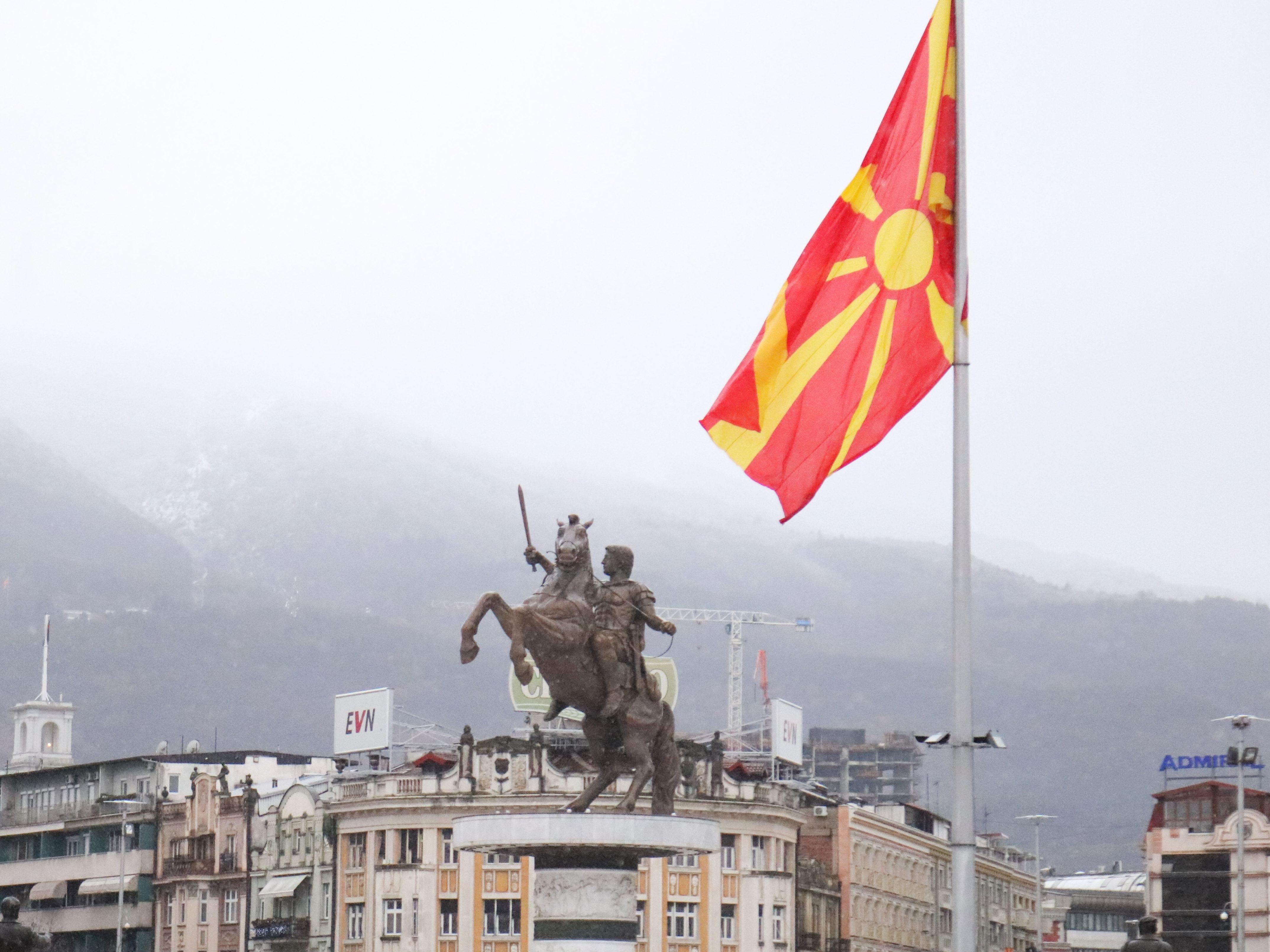
I only started exploring the city in the morning, when the streets were dead silent. The drizzle and the wind were brutal, but nothing could really stop me from seeing the sights of this place, which started in Macedonia Square. Instantly recognizable was the Warrior on Horseback statue, standing at 12m tall on a fountain pedestal, which was first controversially said to depict the legendary Alexander the Great. It is one of the many statues and monuments surrounding the square, which were all built as part of the “Skopje 2014” project, giving the city a more classical and nationalistic look.
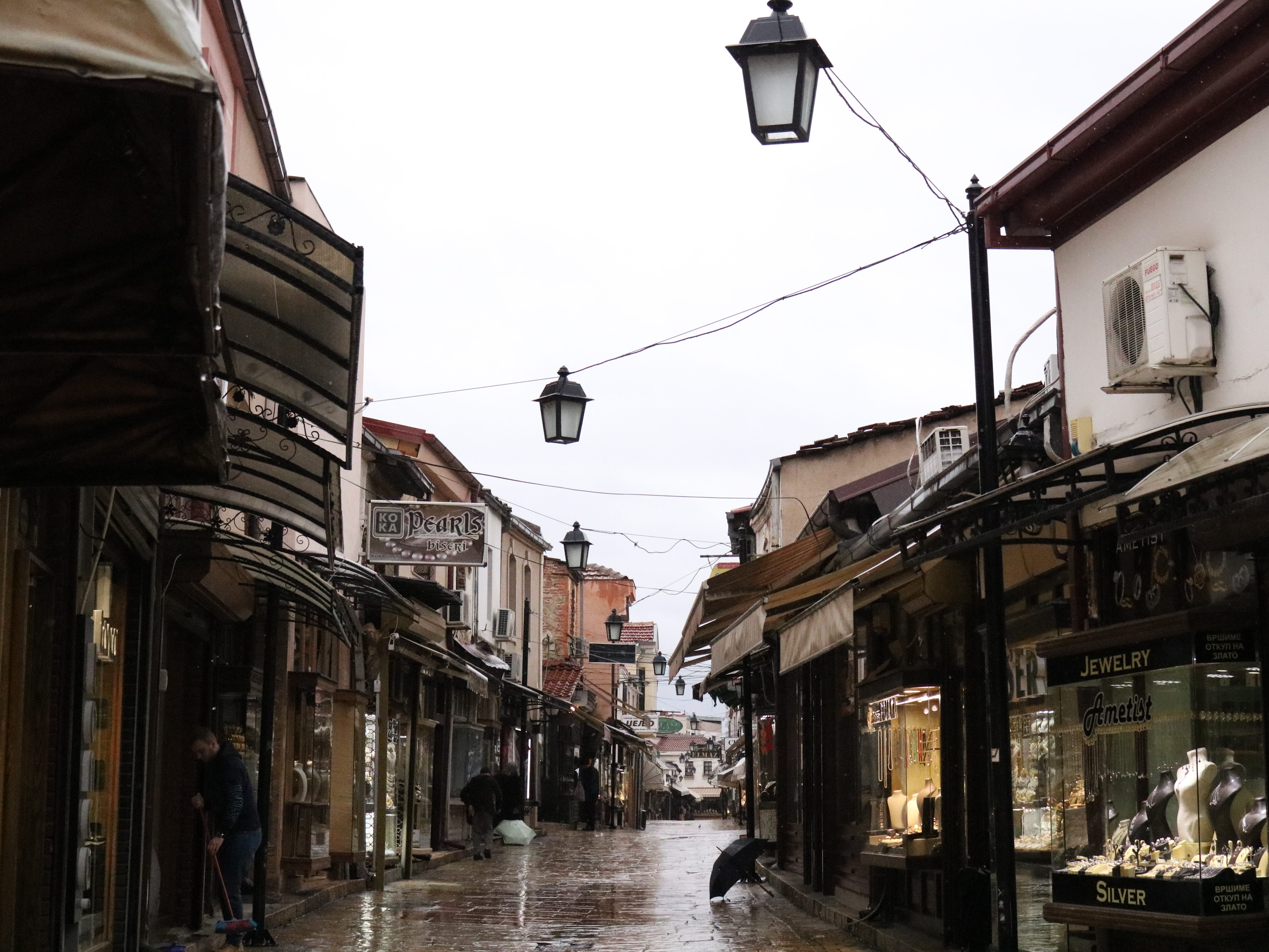
This revamp could also be seen extending across the Vardar River with the sheer amount of neoclassical buildings lining the riverbank. But my attention was diverted to the historic center, also known as the Old Bazaar, where commercial and trading activities have continued since the 12th century. A quick stroll through the district felt like I was transported back to Turkiye – the strong influence of the Ottoman Empire was evident in the towering minarets and mosque domes. The same could be said about the many cafes serving Turkish coffee; the aroma of a hot, bubbling cup was irresistible!
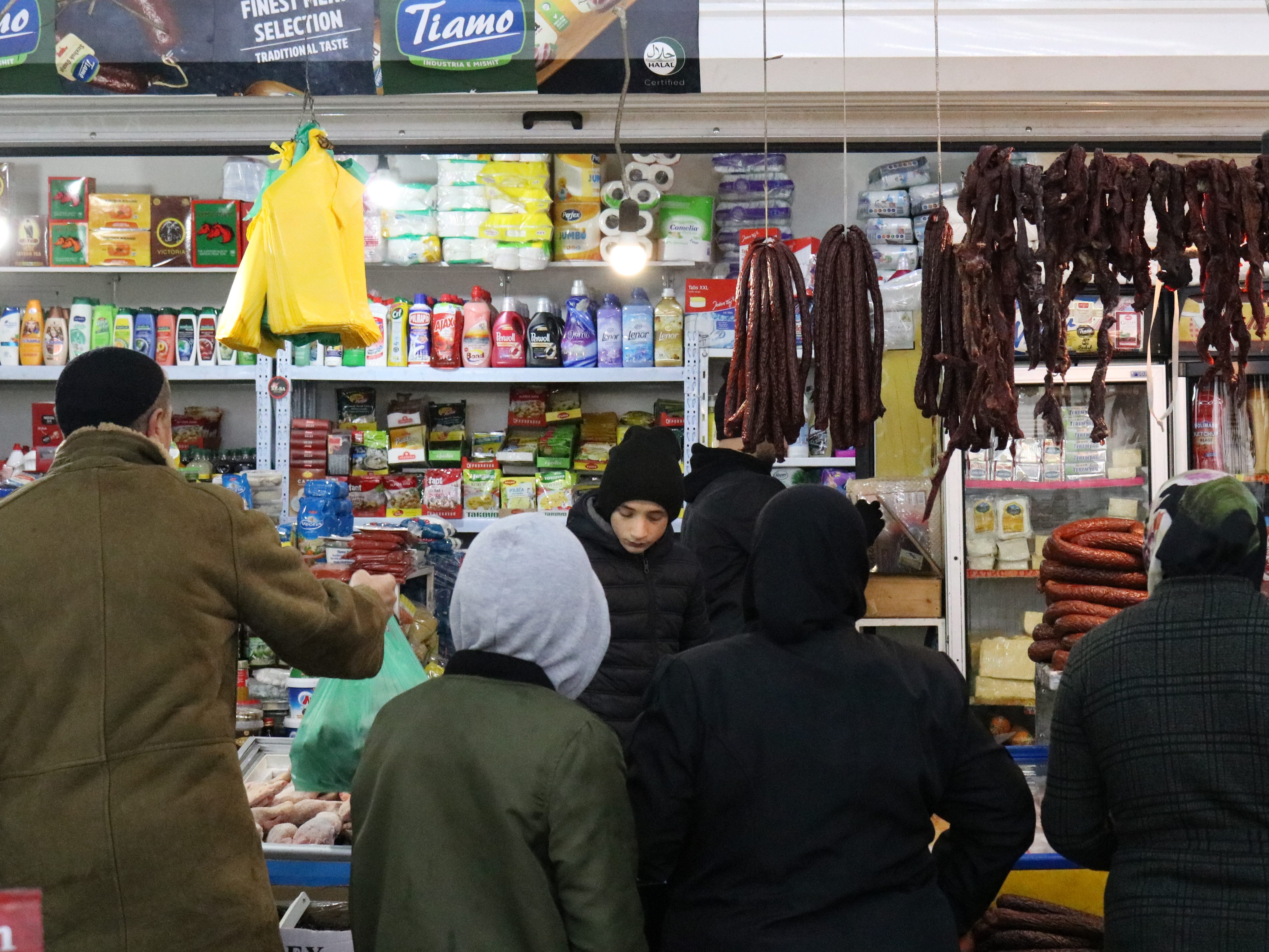
With the rain getting a little heavier, I took shelter in the market building. Unlike most of the streets in the area (perhaps it was still early in the morning), this place was buzzing with people. Vendors were seen selling everything from vegetables to dried fruits in the produce section, giant honeycombs displayed next to jars of honey and homemade jams, while cured meats and sausages hung above butcher storefronts. Even though I did not make any purchase, exploring the market was quite a delight for the senses.
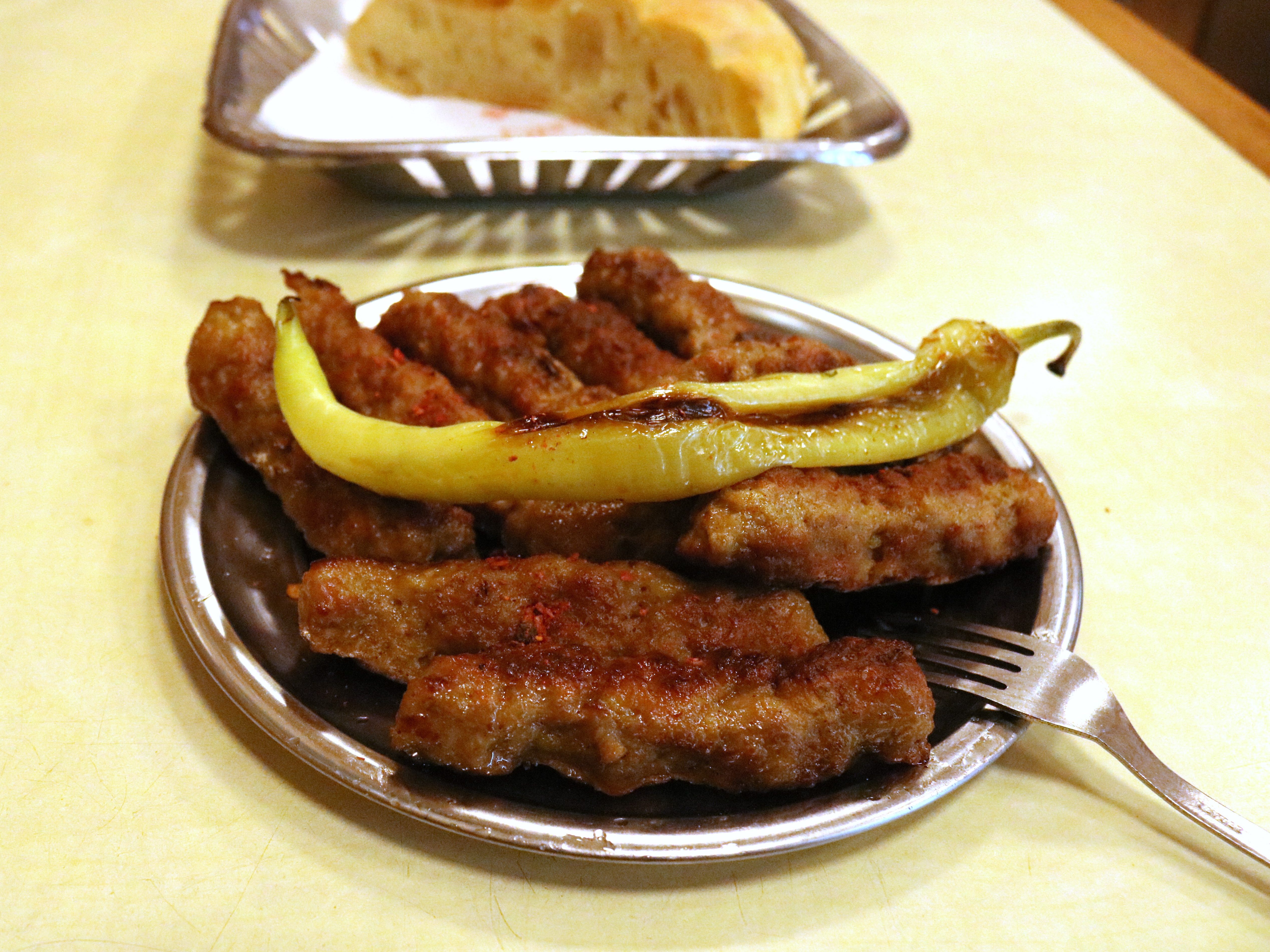
I found a spot nearby for breakfast, where I had kebapche, the local version of ćevapi (grilled minced meat in cylindrical form). This was paired with bread and a side of fries, and despite the minuscule size of each, I couldn’t finish them in one sitting. So I asked the waiter to wrap it to go, which helped with fueling the onward journey a couple of hours later.
Out and About in Ohrid
The city was an interesting introduction to the country, but I was thrilled for the next stop, which required a two-hour bus ride through the mountainous terrain. While Skopje received rain, the higher grounds were sprinkled with snow. It wasn’t too noticeable until the bus drove past Gostivar, where the highway quickly transformed into a dizzying multitude of twists and turns.
Eventually, it arrived in the town of Ohrid after sundown (at a depressing time of 5pm). I took a taxi to my lakeside apartment, where I met the owner, Georgi, who showed me around the property before telling me the one thing I always loved to hear – I would be the only one in the house the entire time! He passed me the keys before gathering his ski gear and set off to the mountains for the next few days. Life goals there.
It was already pitch black by the time I settled in, so I went to the nearest restaurant for an Italian dinner, took a warm shower after returning, and jumped straight to bed. The next morning, I was quickly reminded to open the balcony door, and right there, the most incredible view of Lake Ohrid was presented in front of my sleepy eyes.
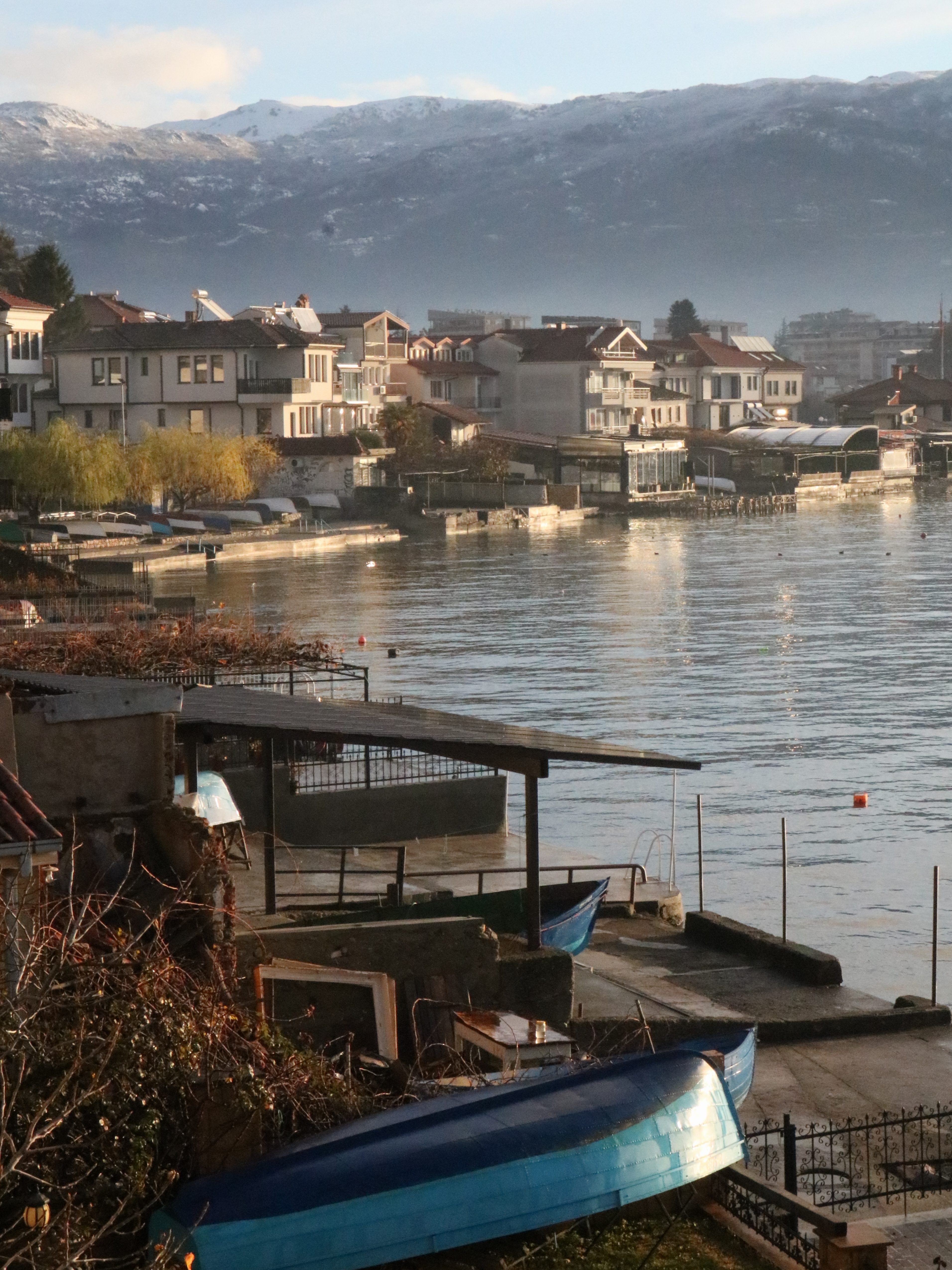
The calm surface of the lake, the snow-capped mountains, and the crisp winter air with the rays of the rising sun. What an amazing way to start the morning! Putting my jacket over my pyjamas, I sat next to the railings and simply took it all in. I had to pinch myself to make sure I wasn’t still dreaming.
After getting all freshened up, I stepped out of the cozy apartment and began exploring town. Ohrid was truly a place stepped back in time – many of the streets follow a layout that has existed since antiquity, circling the hilly shoreline to the top, where a historic castle and a Greco-Roman theater have watched it all unfold from their commanding positions for centuries. Most roads can barely fit even a single car (the locals know how to do it), but this isn’t an issue on foot, although it can get pretty tiring with the many stairs and slopes one has to navigate.
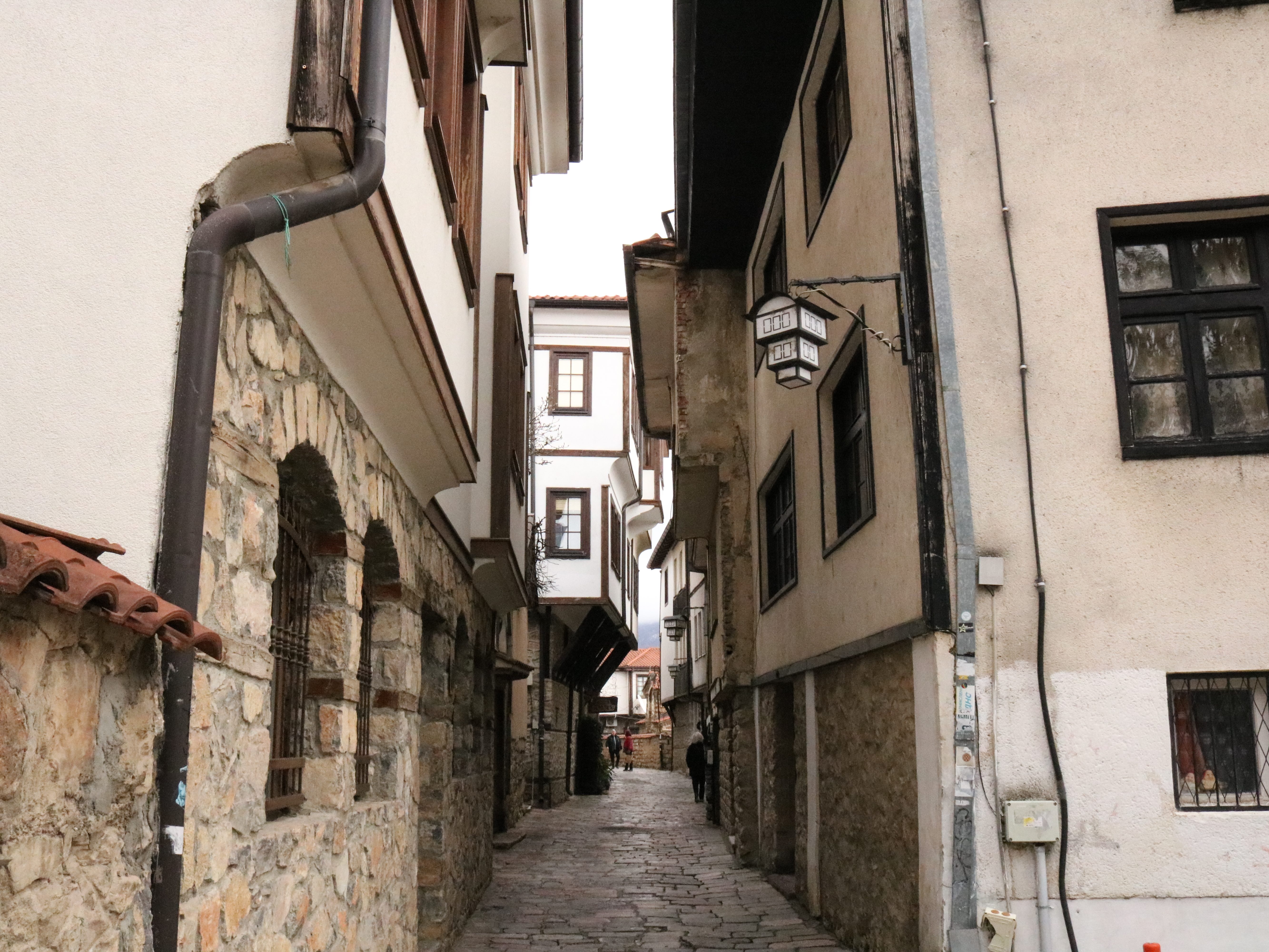
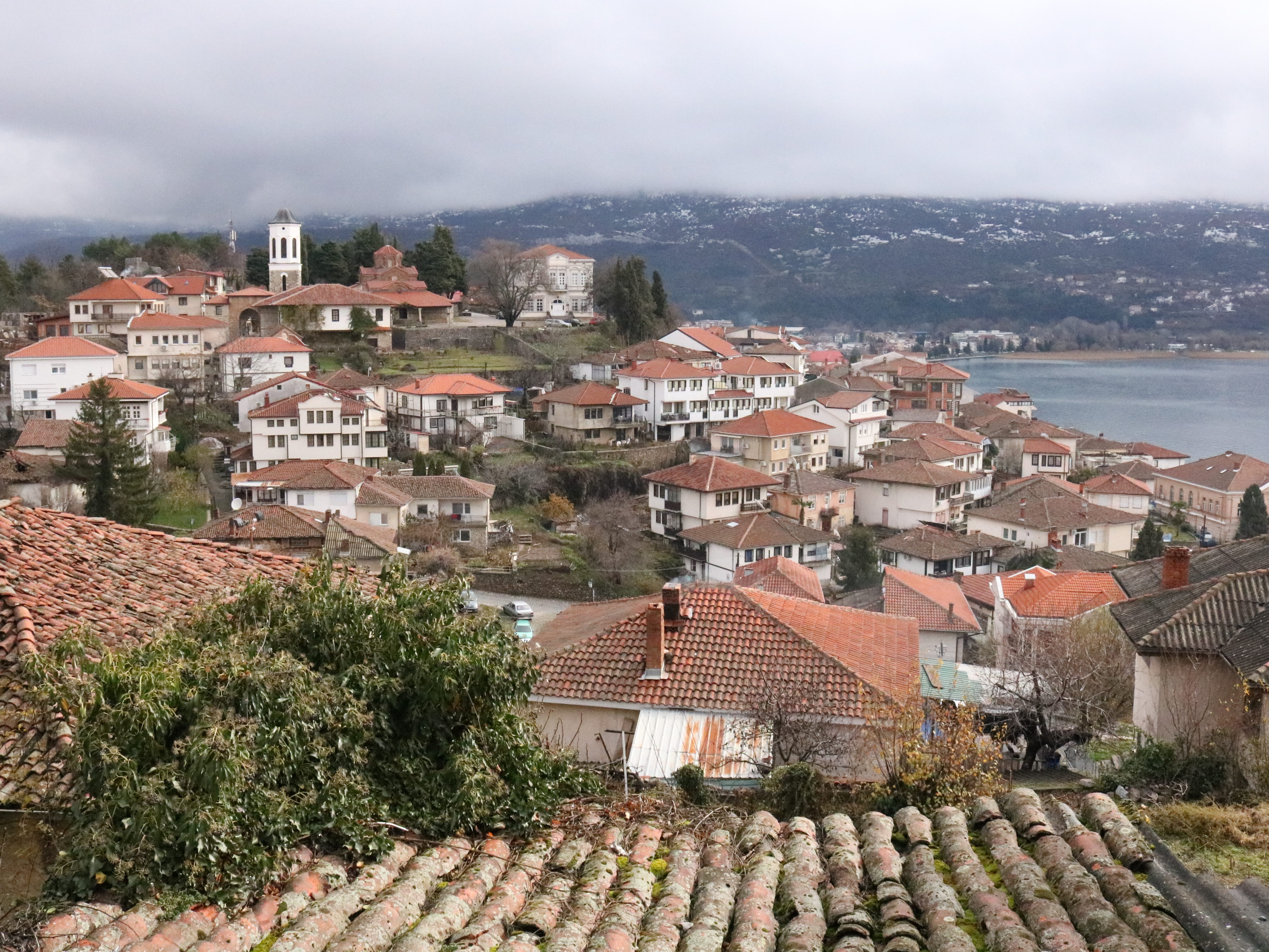
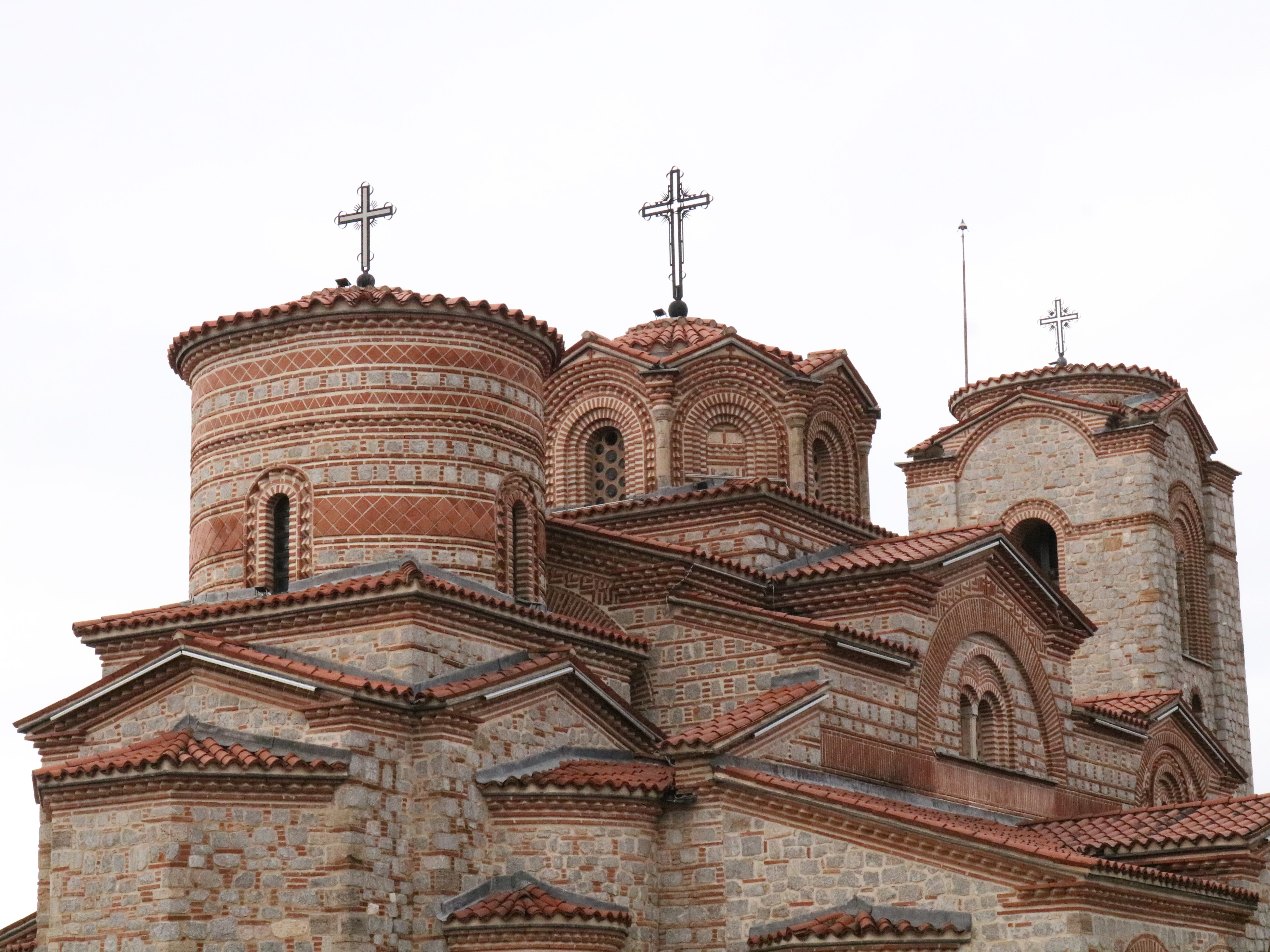
Ohrid was once known as the “Jerusalem of the Balkans”. It was said that the town had 365 churches, one for each day of the year. While the statement is no longer true, every turn here reveals a church, whether in the distance or right in front of your face. One of the largest and most significant is the Church of Saints Clement and Panteleimon, widely believed to have been built and designed by the namesake saint himself in the 8th century; it sits on a sacred hill called Plaošnik, sharing grounds with an archaeological site of earlier Christian basilicas and a baptistery.
The church is a fine example of classic Byzantine architecture with extensive use of red bricks and white stones for its exterior. This style of building is also seen in many other historic churches across town, but none is more recognizable than the Church of Saint John at Kaneo, which is a short walk from the former site. Following the forested trail, the building slowly appeared from the trees before it was seen set against the backdrop of the lake. The view above the stairs at the end of the trail was the postcard shot I had seen plenty of times on screens and papers before coming here, which paled in comparison when seeing it in real life.
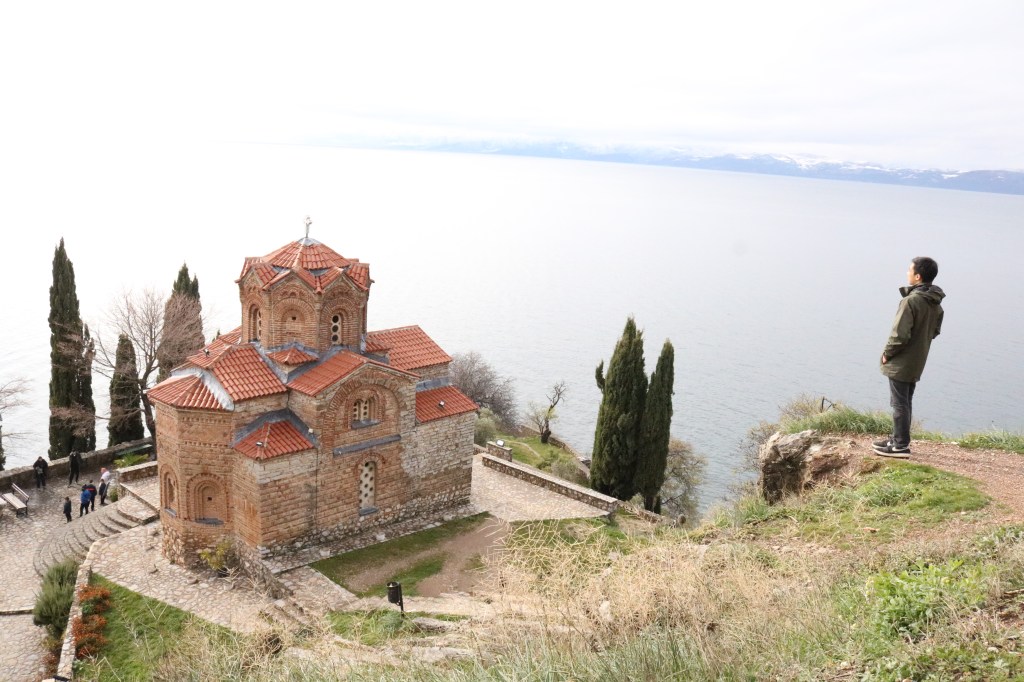
From there, a stone path ran above the shoreline before connecting back into the streets of the old town, but I chose to walk next to the water. The combination of wooden boardwalks and concrete platforms led to several pebbled beaches and hidden coves along the cliff, accompanied by the endless expanse of the lake and the surrounding snowy mountains.
As it was the middle of winter, not many businesses were open as opposed to the warmer months, when the town can almost be as packed as its counterparts along the Adriatic coastline. However, there was still some action found especially in the main square and boulevard of the new town, which looked nothing like the Ohrid most people know, with shopping malls, restaurants, and storied apartments dominating the streetscape.
Following the Road South
I could easily spend my whole time in Ohrid, but the lakeshore extends beyond the town’s reaches. There was a bus servicing to a few spots along the road between the lake and the mountainous interior, costing less than 100 denars per way. Without a car, this was a great way to explore more of the lake.
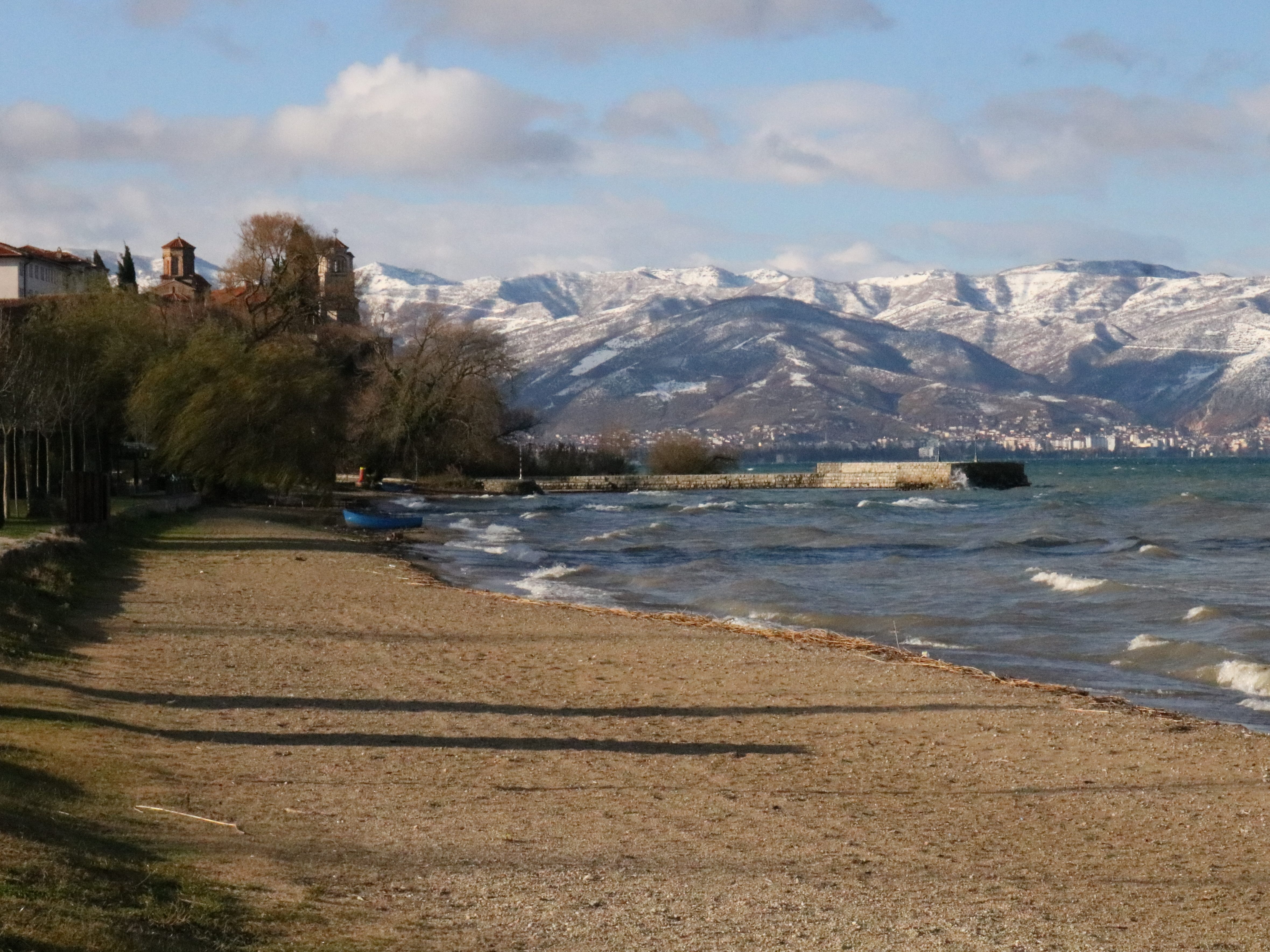
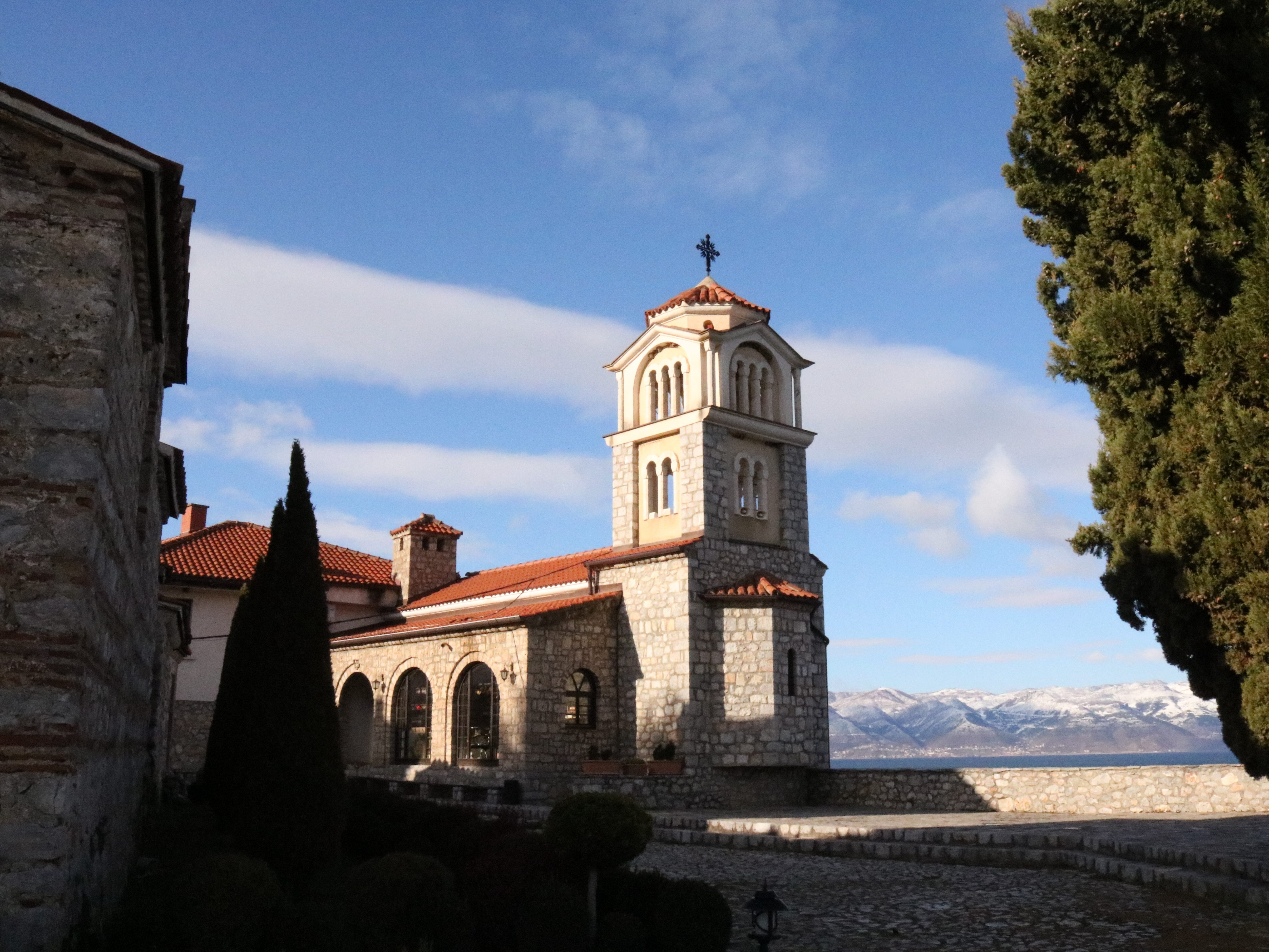
The scenic ride lasted about an hour before the bus terminated next to a parking lot in Sveti Naum. From here, it was a five-minute walk through a park to one of the most important monasteries in the country. Being next to the lake, the views of the water and the surrounding mountains were spectacular, although the winds were a little too strong and icy.
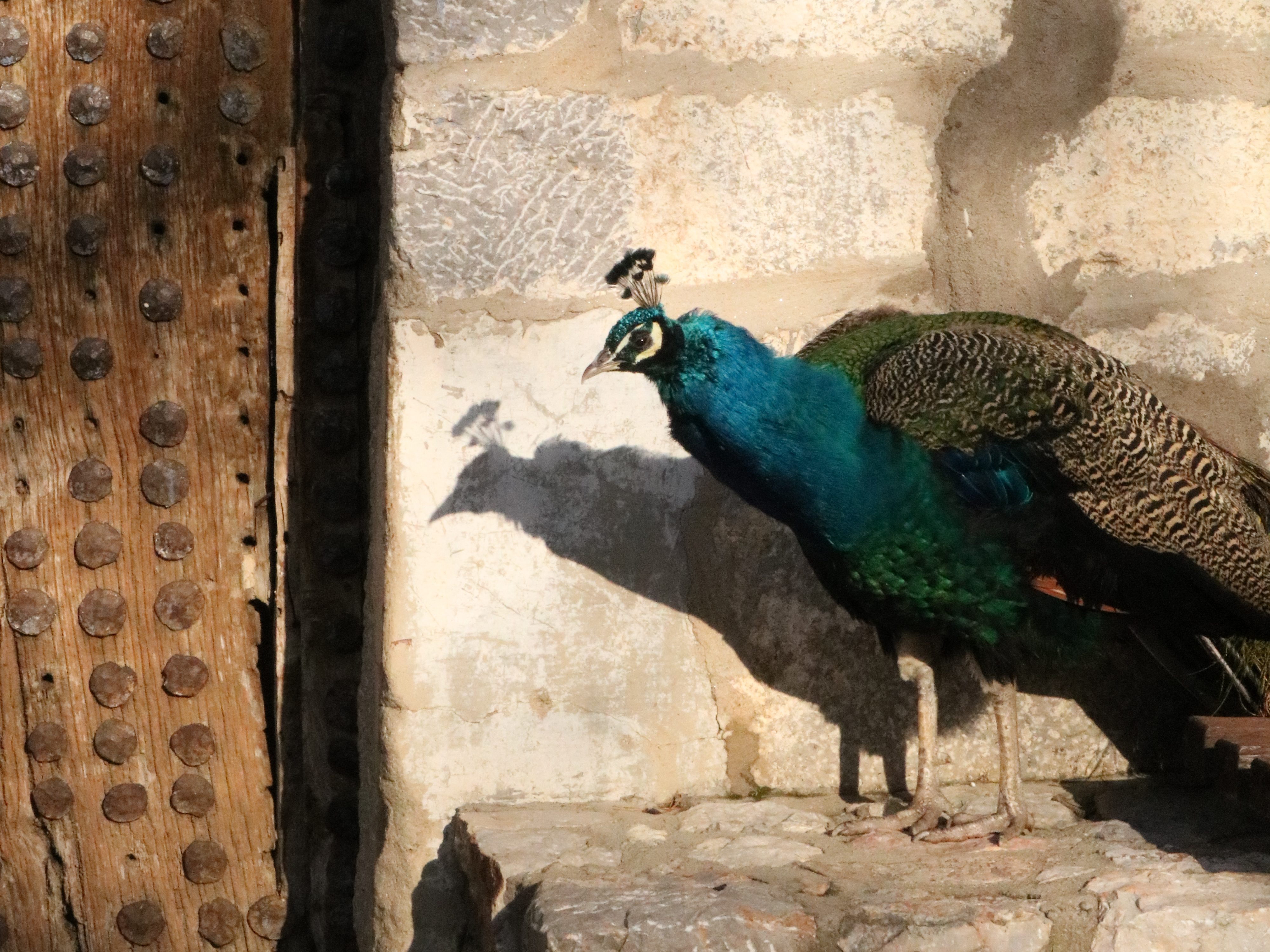
The Monastery of Saint Naum was established in the early 10th century by the saint of the same name, who was also buried on site. While it is still an active place of worship, the complex also consists of a hotel and a restaurant. Perhaps it was winter, the monastery was empty and I was the only person exploring. However, I was never alone as I was constantly accompanied by a number of peacocks that roamed freely in the courtyard. Other than the views of the lake, the birds were the highlight of my visit in the monastery.
Sveti Naum sits in the southernmost point of the Macedonian side of the lake. The monastery is just a stone throw away from the border, which at that time, I was already convinced enough to cross it. Despite the short distance, getting there without a car was tricky. Shown on Google Maps were two paths – the “bigger” one looked like the best choice as it would lead me directly to the immigration checkpoint, while the smaller path cut through a campsite which would take me longer to get to the same place. Of course, I went for the former, where I was quickly stopped by a few soldiers. Unknowingly, the “best” path was leading towards a military base. So that left me with only one option.
The other path through the campsite was mostly made of dirt, which eventually brought me to the highway. A few minutes later, I arrived at the checkpoint, where I received an exit stamp for North Macedonia. From there, it was a winding road through the forest before the lake revealed itself again on one side, and right there, stood a sign with the coat of arms of a two-headed eagle.
Republika Shqiperise. Or in English, the Republic of Albania. Those were the words below the coat of arms that indicated I had stepped foot in the country. A new country that was!
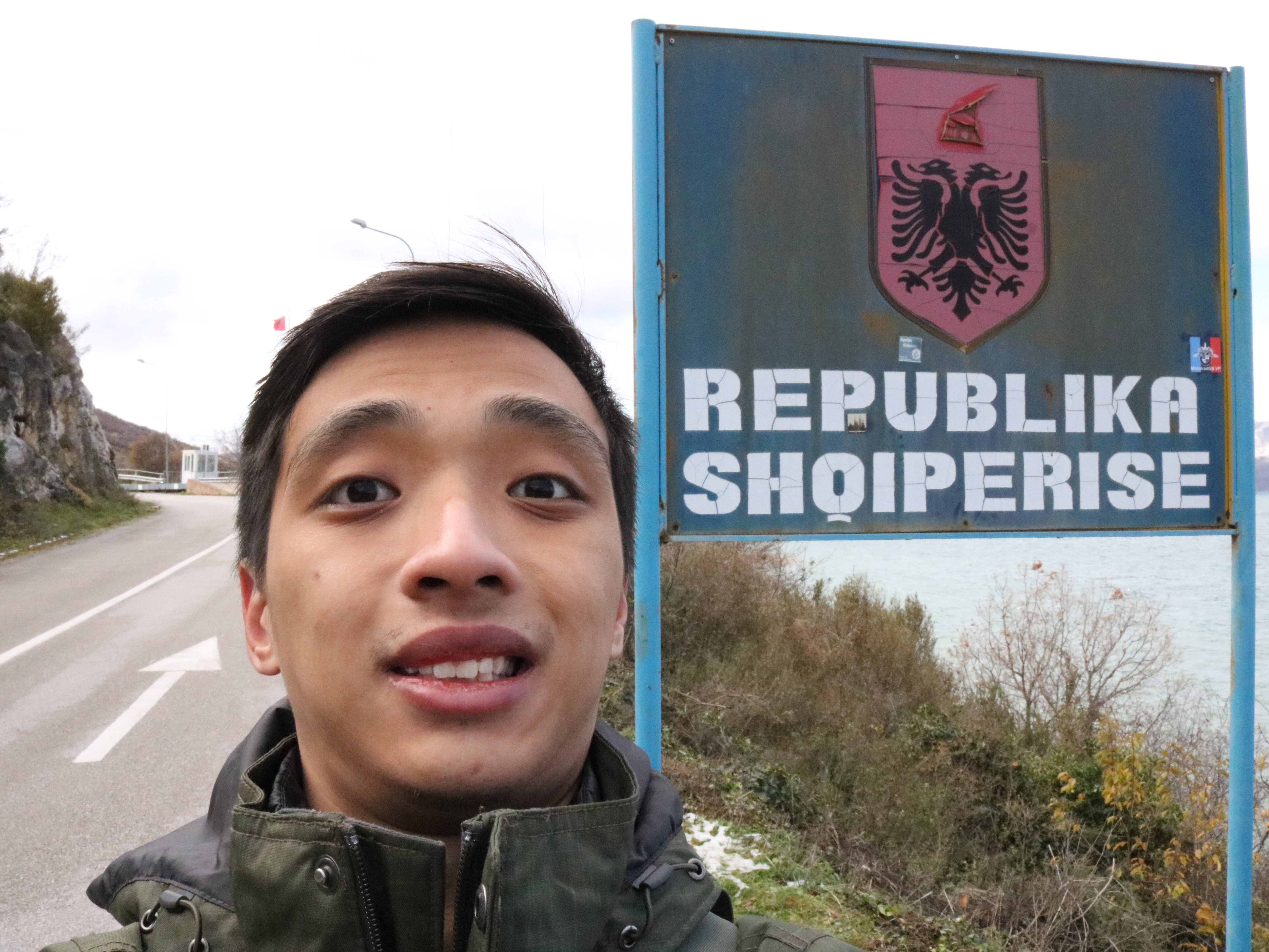
The Albanian border post was just a few steps away, where I also saw a ruined bunker on the side of the road, which the country is infamous for. When I got to the checkpoint, they only took my passport for not even 30 seconds, before returning it without a stamp, even though I asked them to. Bummed, but at least I entered Albania on foot with no issues.
An elderly man was standing next to the checkpoint, who offered me a “taxi” to the nearest village for 500 lek. I only had Macedonian denars and euros with me, so I gave him a €5 bill which he happily agreed. Then, it was just a five-minute drive to the center of Tushemisht.
The small Albanian village was a quick taste of the country, with charming houses, a hilltop church, and great views of the lake and mountains. As I only had a couple of hours before the last bus back to Ohrid from the monastery, my visit here was awfully limited. However, I made a promise to return someday, since I only touched the surface of this fascinating Balkan nation.
My Final Reflections
It was an incredible opportunity to visit this unassuming part of the region. Of all the countries I have visited in the Balkans, North Macedonia still felt the most underrated to me. Perhaps I was visiting in the dead of winter, but even to this day, I only know probably two people in my social circle that have stepped foot here. Rest assured, I can see myself returning someday, experiencing it all over again (+ some new places!) in a different season.


Leave a Reply