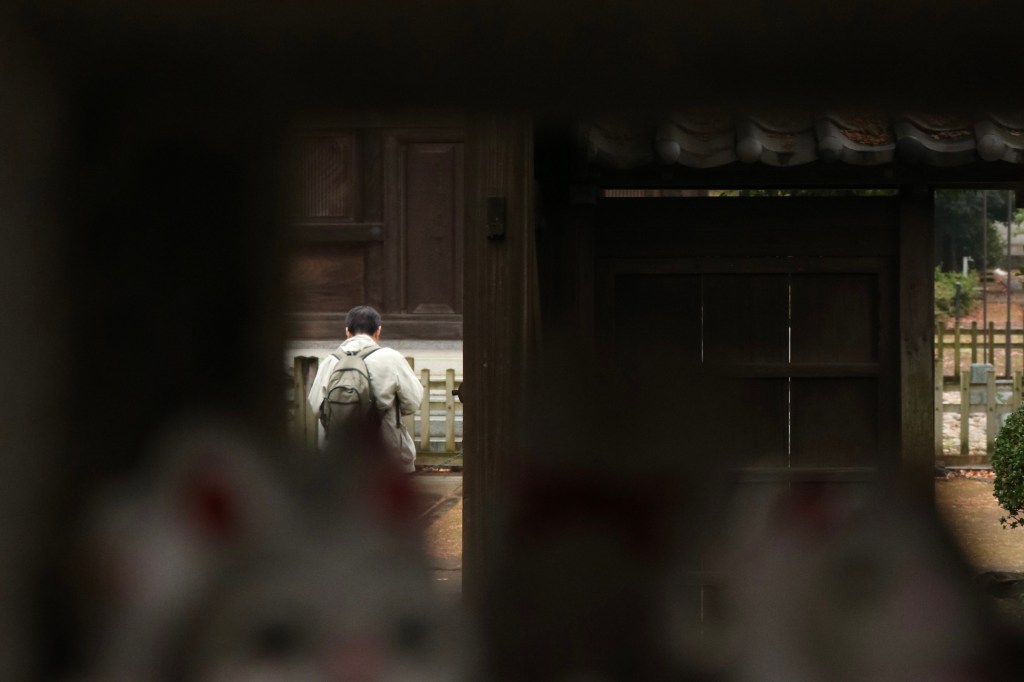
Tokyo is a place where everything happens all at once. Cloud-reaching skyscrapers built up from a never-ending sea of gray and white. Weave through its texture, and you will find the many characters that shape it – from the neon-lit streetscapes of Shibuya to the hyper-energetic arcades and karaoke bars of Shinjuku- while age-old traditions live on, whether it is in the quiet temple grounds or yakitori joints underneath railway arches.
Despite being one of the most visited cities on Earth, Tokyo continues to fascinate with its sights and sounds. Spending a few days here (for the second time) was a journey through its complex yet curated urban fabric. Navigating from district to district, on commuter trains and on foot, the city presented its varied sides to me like going through clips of B-roll footage. It is hard to put it all in words, so I let the pictures tell the story too:
On the Surface
Tokyo’s endless spread of concrete and steel is a daunting sight from the air. It can also be that when you are thrown right into its urban jungle after getting off the metro line. But this city covers up the fear of unfamiliarity straight away for those who open up their mind, which to me was very easy to do so.
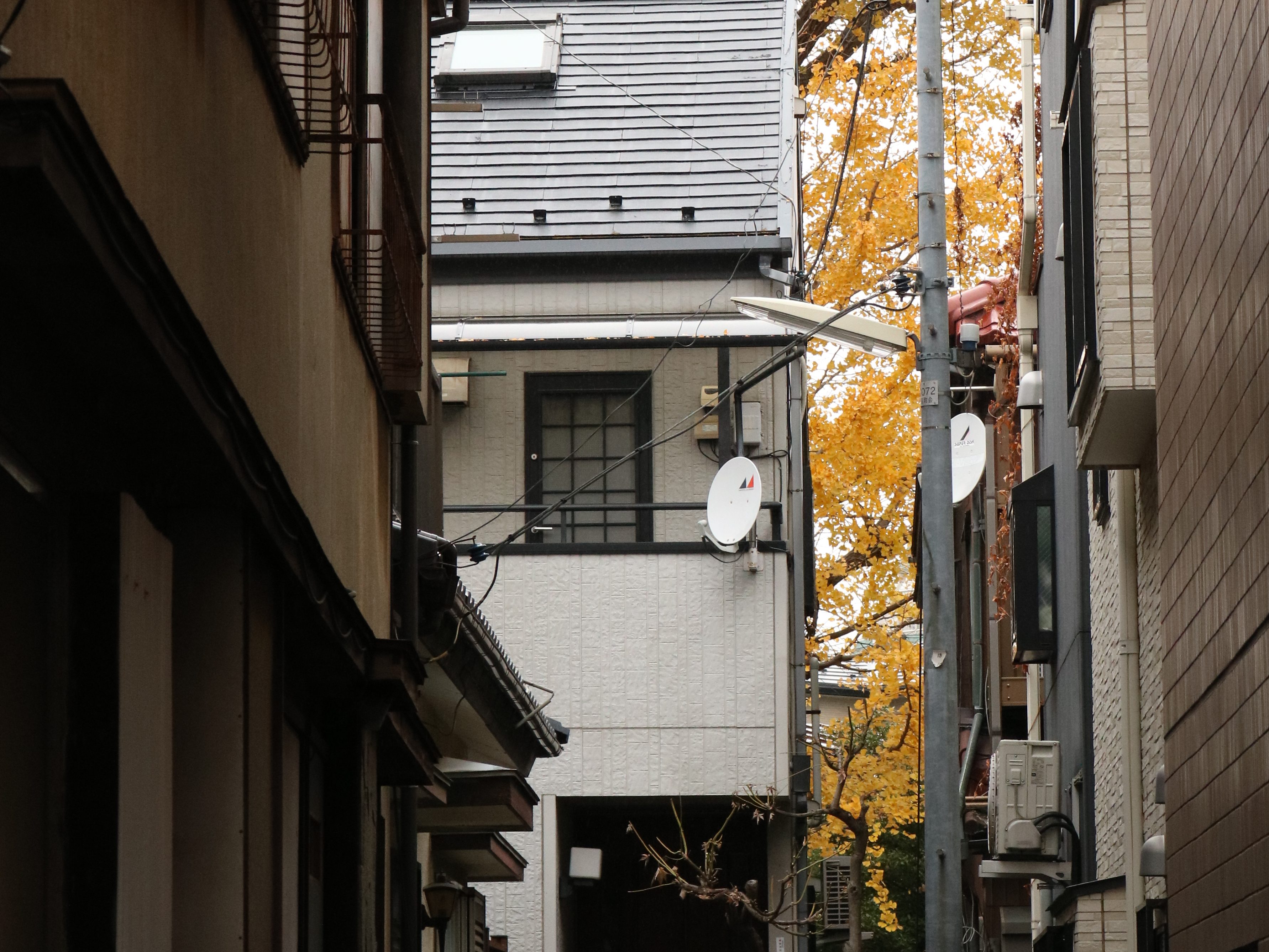
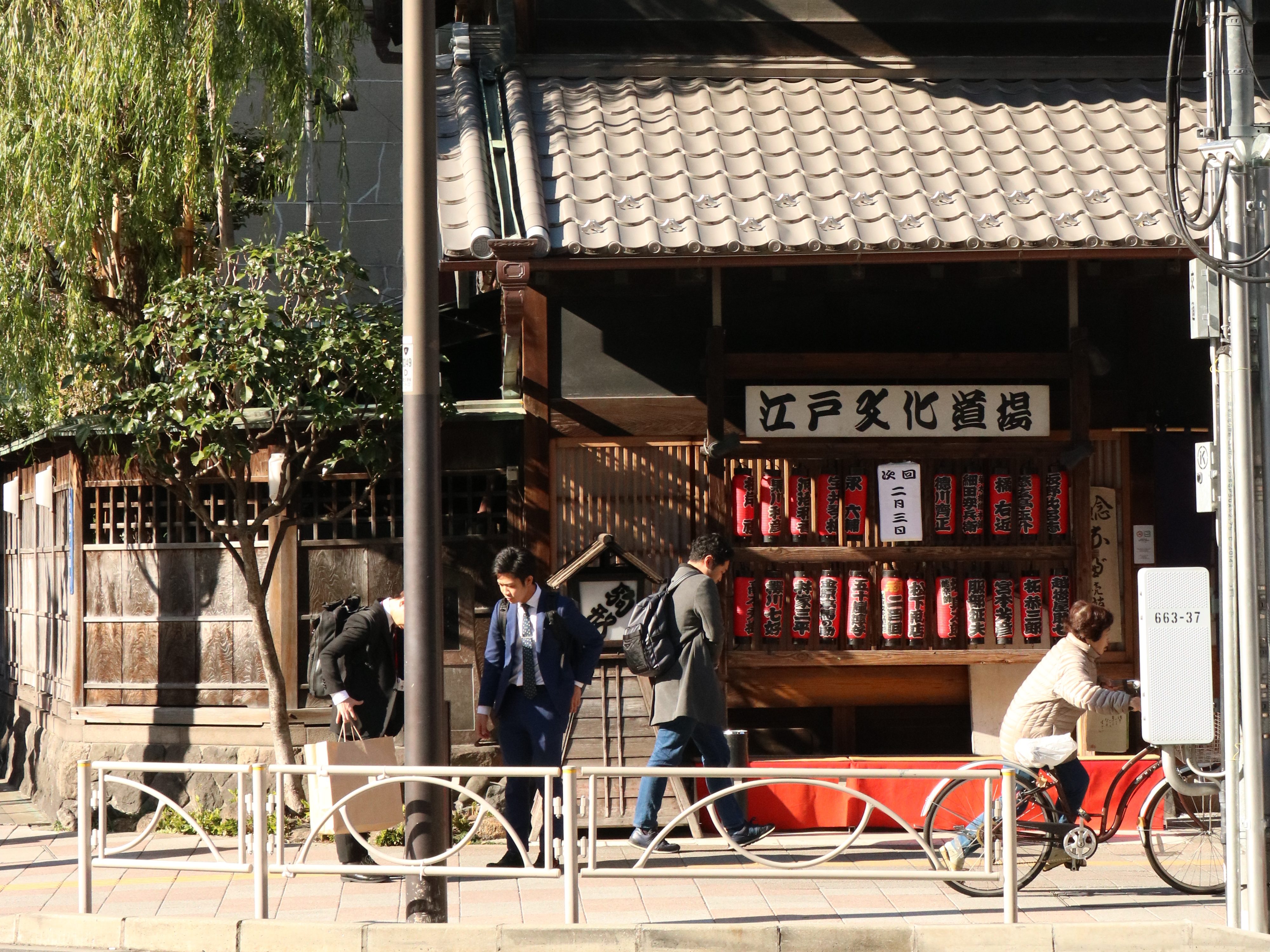
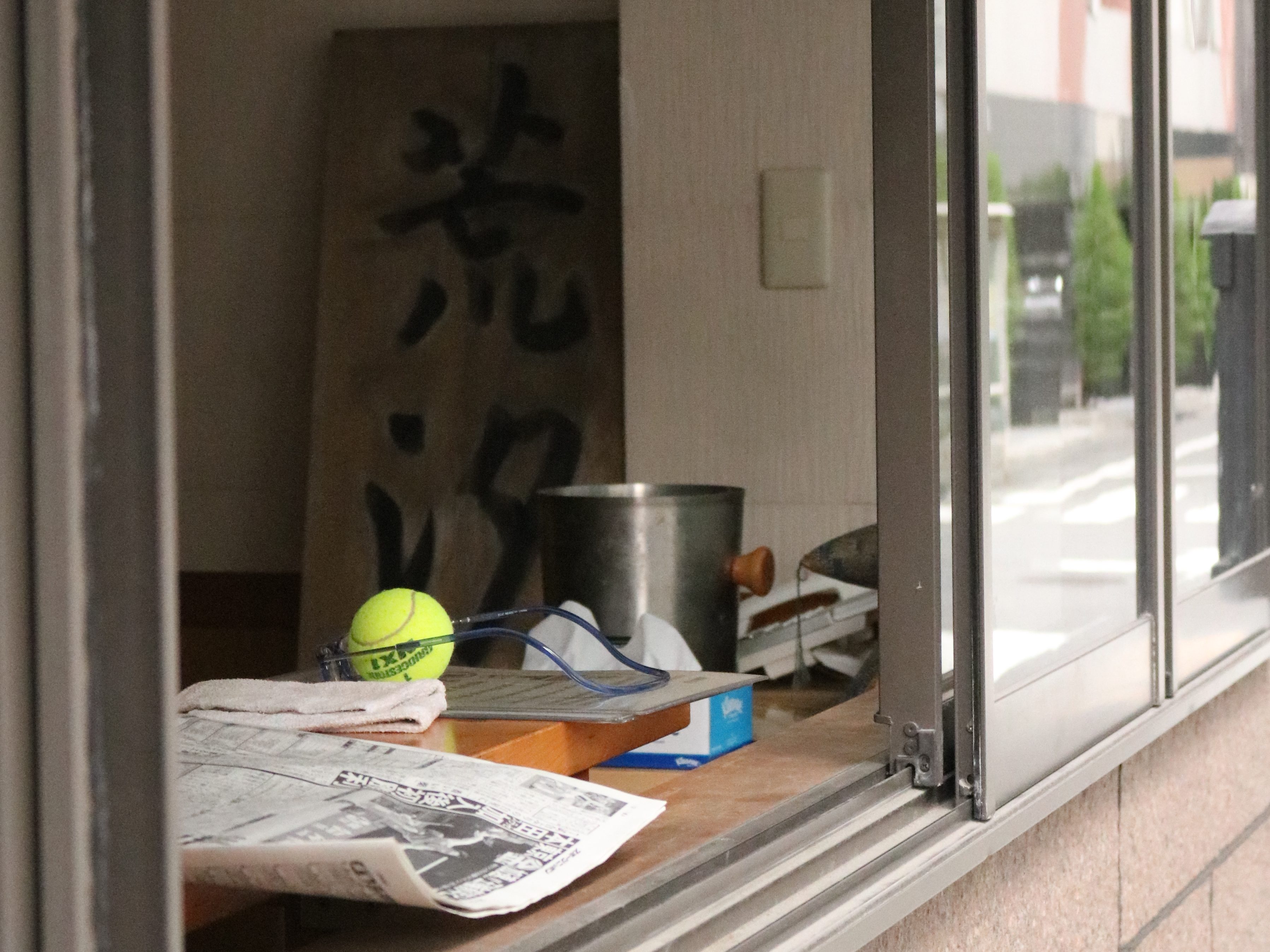
Like any major city in the world, Tokyo is made of multiple districts. The term for the subdivision, however, is “ward”, or tokubetsu-ku (特別区). Of the nearly 2,200 sq km of the metropolitan area, 23 special wards form the central zone, each with its own municipal autonomy. For almost every visitor, the special wards are the defining core of the city, with all the “must-sees” concentrating in one ward after another.
But remove the urge to check off the landmarks, and you will find the city is just as incredible without them. As it was my second time here, my focus was diverted to observing the local life and the way the city functioned, even if it wasn’t the intention most of the time. From businessmen in suits rushing to work to schoolchildren walking home with their backpacks, along with the details on buildings, streets, and signs. My ability to recognize most kanji characters helped with the experience too.
The pace in Tokyo is well-balanced with speed and solitude; even in the busiest time or neighborhood, there is still space for quietness. Most surprisingly, it can be found on the subway trains. The locals appreciate silence so much that it is an unspoken rule when riding public transit. It is also a form of respect, as no one likes to be a “nuisance” in an environment where you are sharing with hundreds or thousands of others. This is one of the many things I like about Japan.
Tranquility in Sacred Grounds
Sticking with the topic of quietness, the never-ending sprawl of Tokyo may seem exclusive to skyscrapers and storied apartments, but in the midst of it all are temples and shrines. Coming in all styles and sizes, Buddhism or Shintoism, they are revered spaces to most residents for either prayers, religious learning, or ceremonies. They also leave plenty of room for those who need peace of mind, especially when living in a city so fast-paced that it rarely gives a second to breathe.
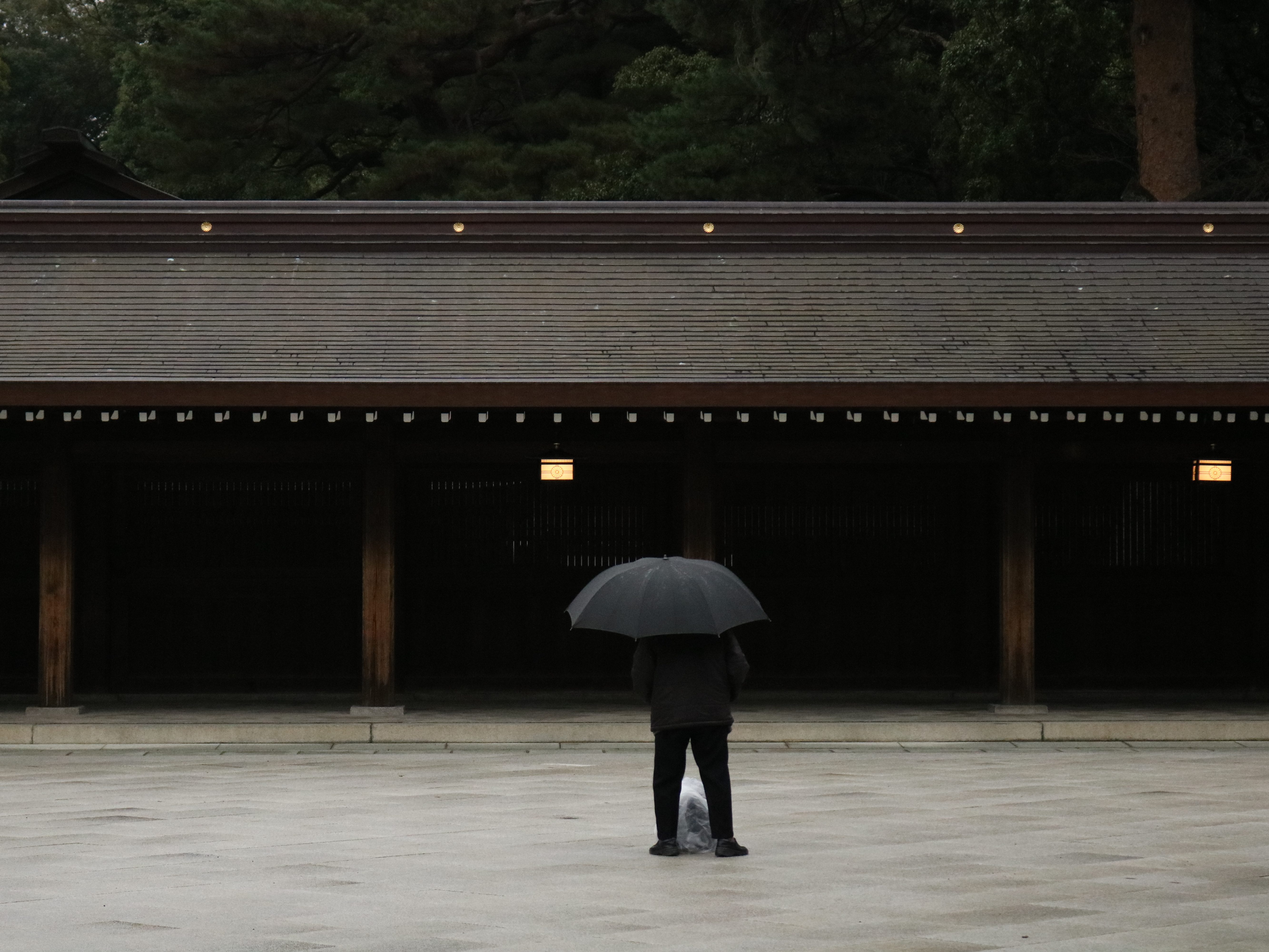
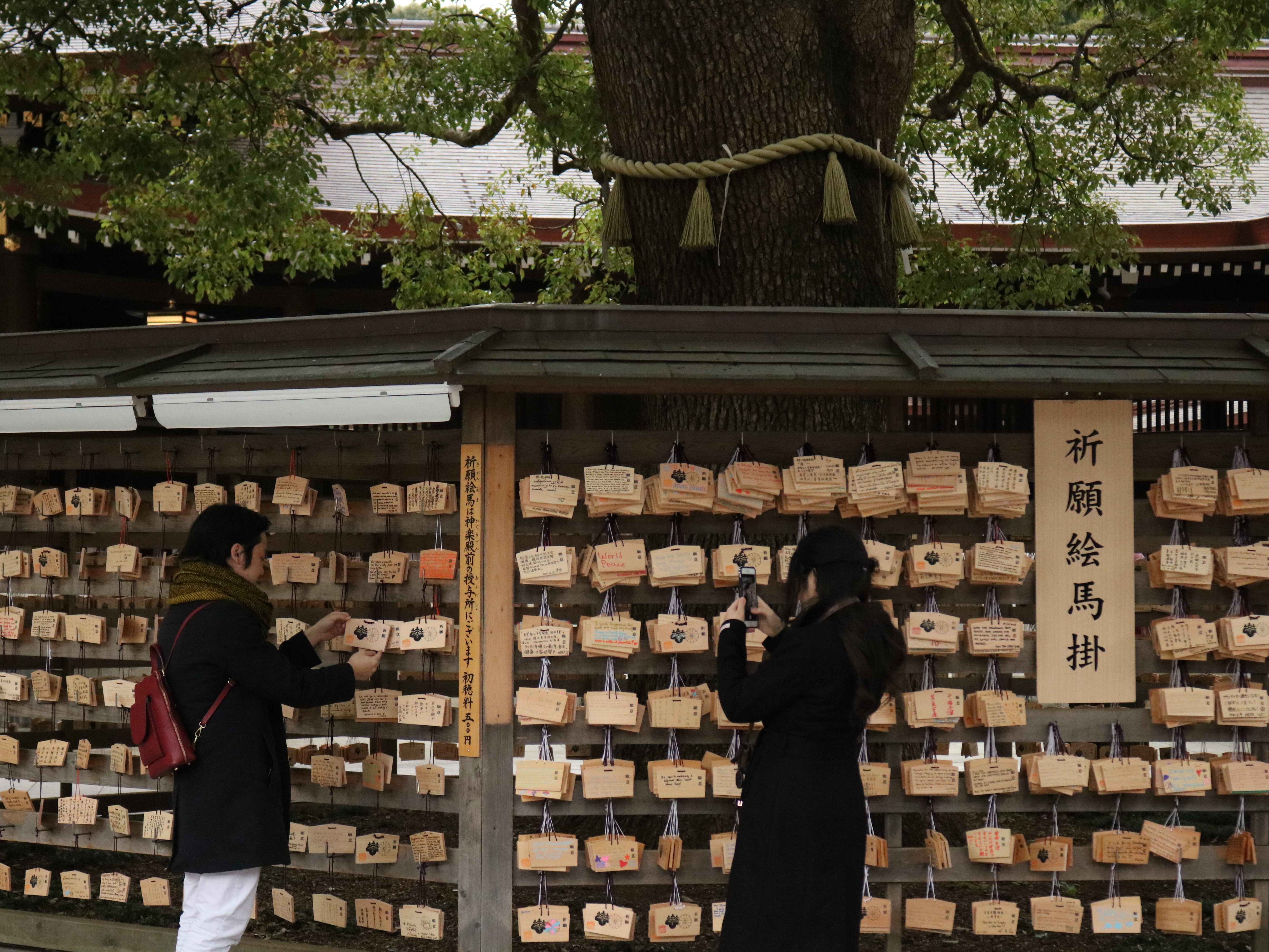
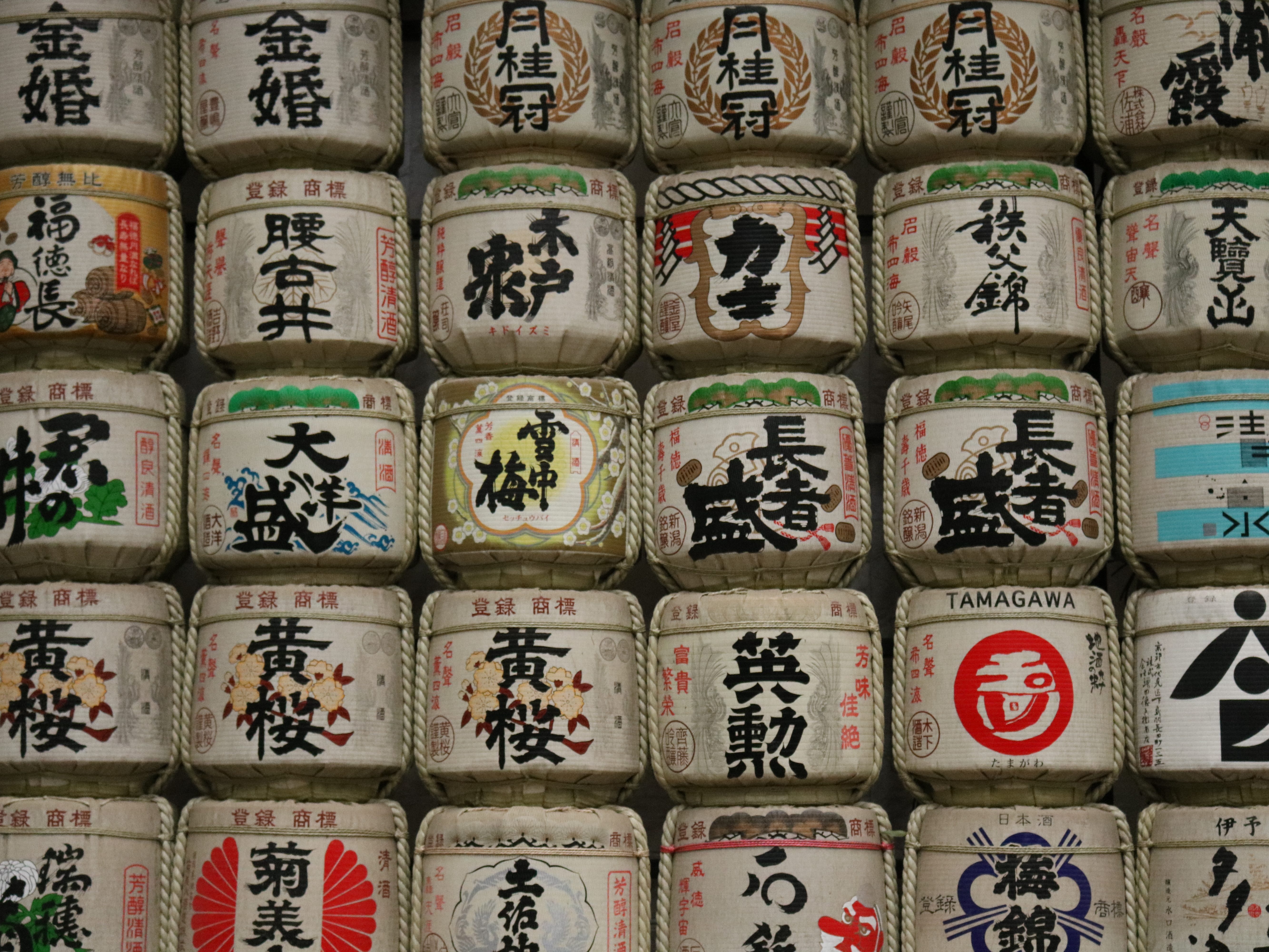
Meiji-jingu is perhaps the finest example of this. Surrounded by some of the busiest streets in the city, the shrine feels a world apart from it all with its dense forested grounds, in addition to being next to one of the area’s loveliest parks – Yoyogi-koen. The walk to the shrine is an immersive experience itself – a massive torii greets you upon entry, where a pebbled trail takes you through shading trees, passing by flowing streams and a long rack of sake barrels, before arriving in the center, where several buildings form a courtyard in front of the main hall.
Despite being the most important shrine and one of the most visited in the city, Meiji-jingu never disappoints with its tranquil beauty, both in its forest gardens and architecture. The design of the place is top-tier in what the city has to offer in Shintoism. Having visited similar shrines in Kyoto, the comparison to me is almost equal, if not better.
Many other temples and shrines in Tokyo are just as worthy to visit; some stand out with their designs, while others grab the attention of visitors with their distinctive character. In the western ward of Setagaya, lying in a quiet neighborhood, there is the temple of Gotoku-ji. At first glance, it looks like any other temple in the country with its wooden halls and storied pagoda. But as you explore its grounds, keep your eyes peeled; you will notice something that sets this place apart from the rest.
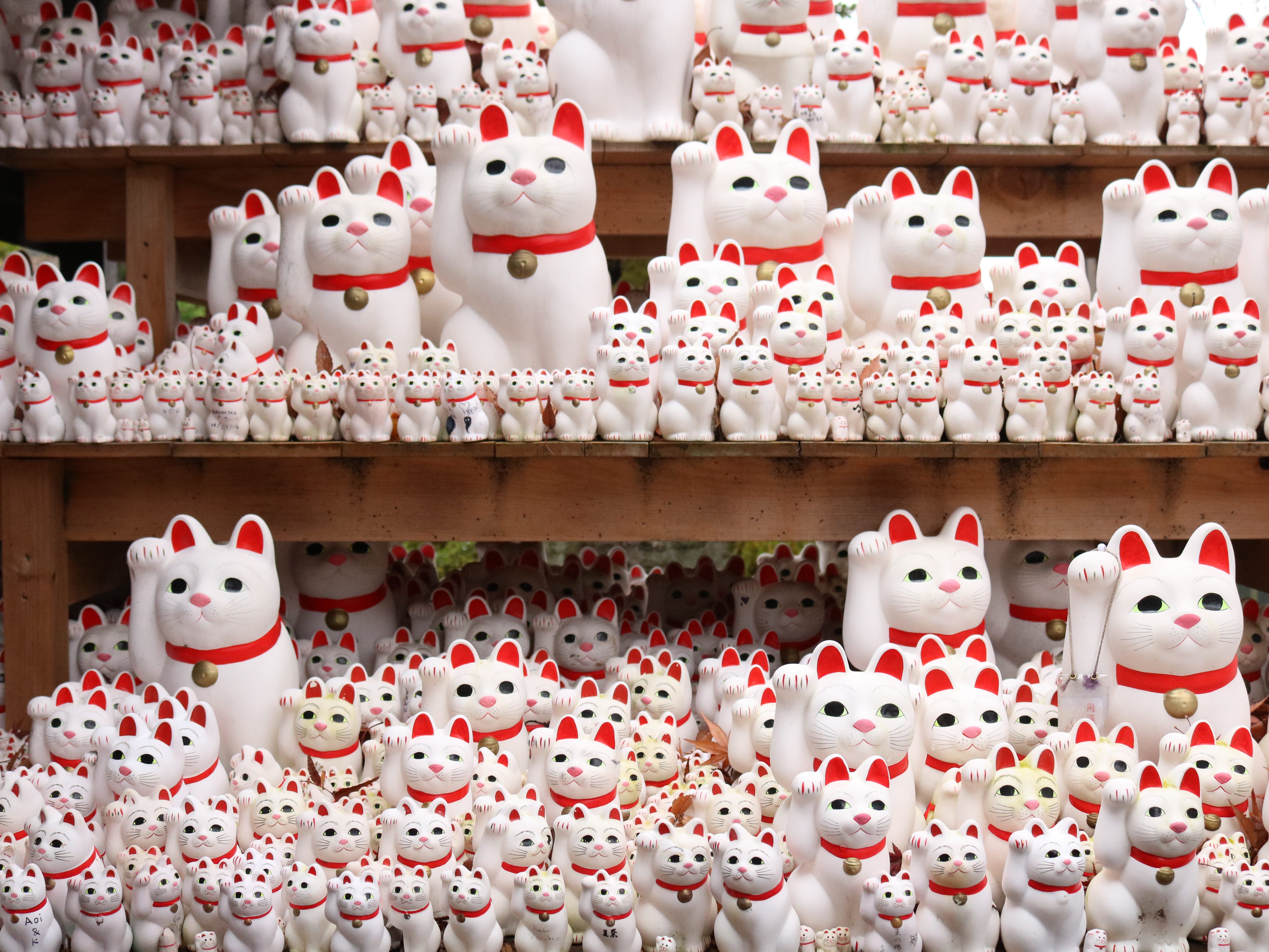
Thousands of maneki-neko, or cat statues, beckoning all around you. While they are scattered across the temple, there is a particular section where they concentrate in various sizes from as small as a rice grain to as big as an actual cat. It is said that the temple was the place where the famous statue originated, and today, devotees leave them here for personal and business luck.
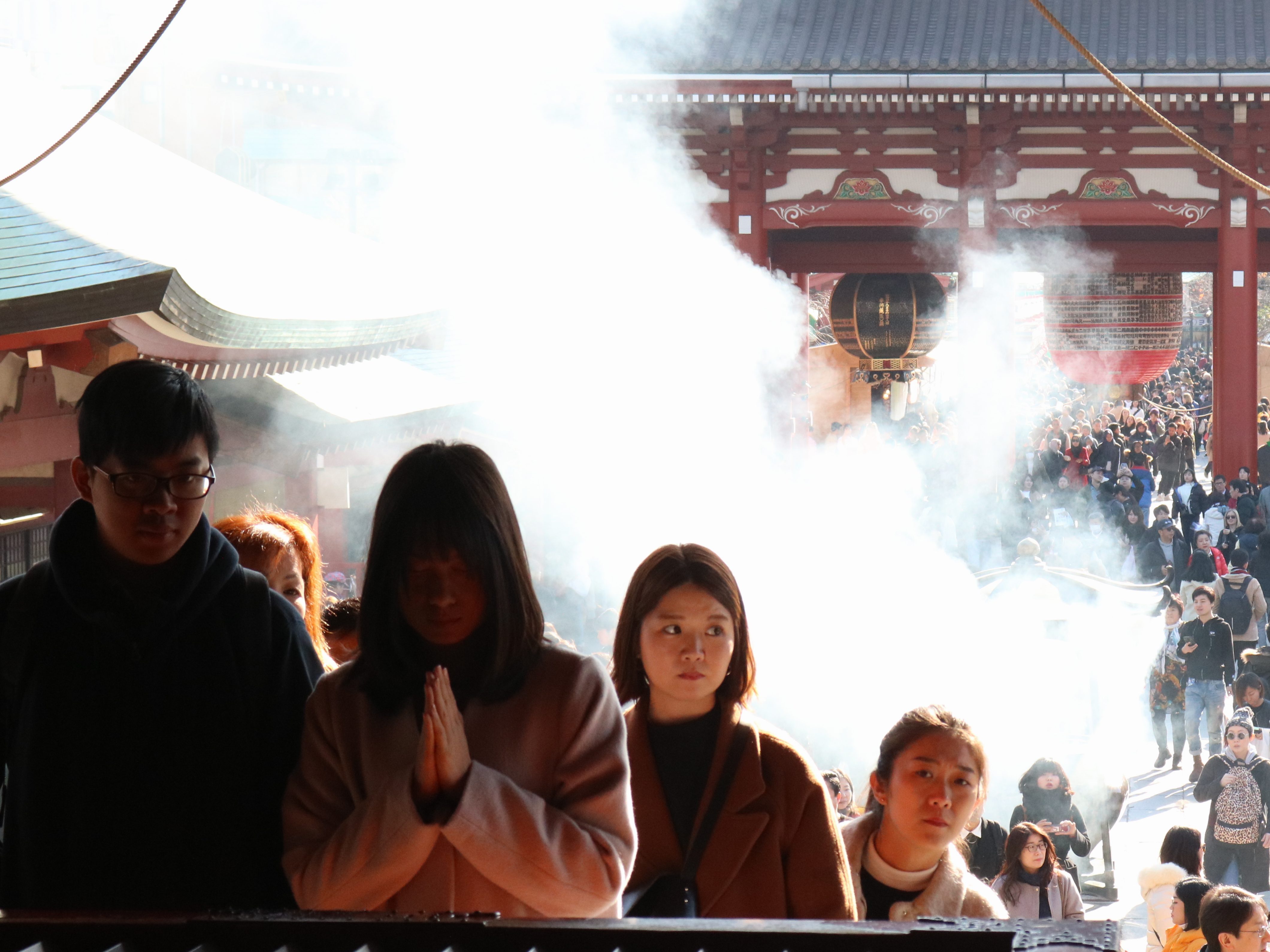
And of course, there is Senso-ji in the historic district of Asakusa. This is usually on every tourist’s itinerary, which makes it a very busy place, something that doesn’t fit into the “tranquility” category. However, if it is your first time in Tokyo, it is worth checking it out. The giant lanterns, the vermilion woodworks, and the bustling shopping avenue of Nakamise-dori that leads to the temple are a sensory delight with the heavy plumes coming out of the temple’s incense pot.
Food Comes First
No matter how many temples and shrines you check off in the city, the priority should still be filling your stomach. Not only for three meals a day, but as many as possible. Tokyo is easily one of the culinary capitals of the world, with more restaurants per capita than any major global hub and still holds the title of having the most Michelin-starred dining establishments.
But you don’t necessarily have to splurge to enjoy the food scene; even a typical konbini (24-hour convenience store) can be an experience for many with its unmatched variety of snacks and treats. The huge salary-dependent working population of Tokyo means there are plenty of choices for a sit-down meal without breaking the bank. Local “fast-food” chains like Yoshinoya offer regular-sized gyudon (beef bowl rice) for less than ¥600, while most ramen shops, the ones with the self-serve ticket machines (kenbaiki), can offer much less for a simple but savory bowl of noodles.
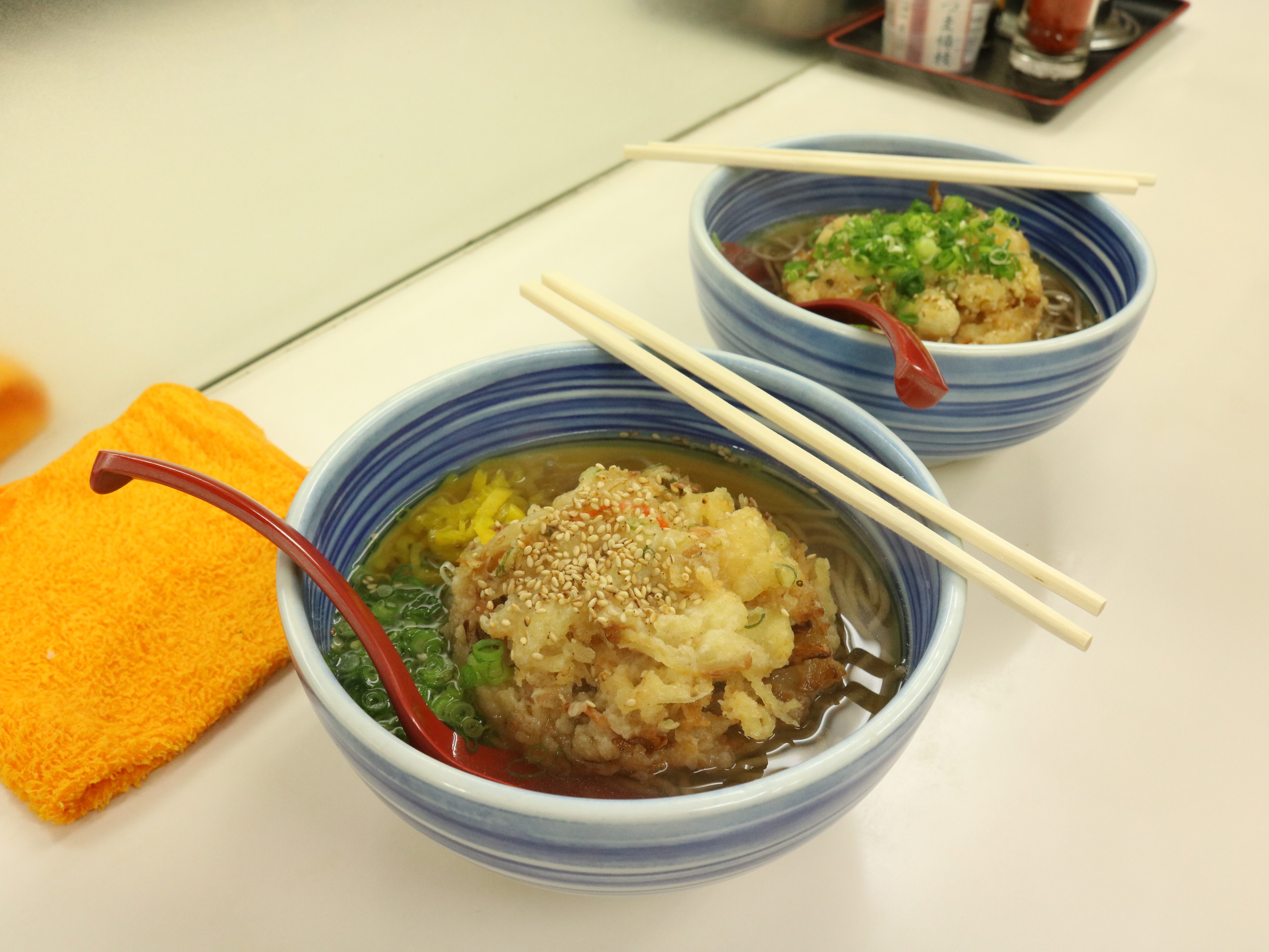
As we are on the topic of noodles, it is rarely a bad choice anywhere in the city. But based on my experience, the best ones tend to be found in the quietest neighborhoods or deep in the alleyways, far away from the tourist trail. On this visit, I happened to be in a residential area of Bunkyo where I stumbled upon a small soba restaurant. What surprised me was the lack of tables and chairs; everyone was standing and slurping their noodles on a long wooden counter. The lack of understanding Japanese made it tricky to order from the menu that was completely handwritten (Google Translate failed to recognize anything), but the older lady, whom I assumed was one of the owners, assured me that going for the first choice was the best choice. And she was not wrong; even to this day, it was still the most delicious bowl of soba I’ve ever had!
If you didn’t know, the sushi of today was first created in Edo (modern-day Tokyo). There are many ways of having this well-known delicacy – the premade ones in supermarkets and depachikas (food halls below department stores), the high-end omakase experience, or as fun as having your sushi shooting across tables on a non-rotating conveyor belt. One of the places that offer the latter is Uobei, where you order from a tablet before your delightful plate of sushi travels at shinkansen speed to your very seat. While there are far better spots for sushi, treat this as a thrill instead of an actual dining experience.
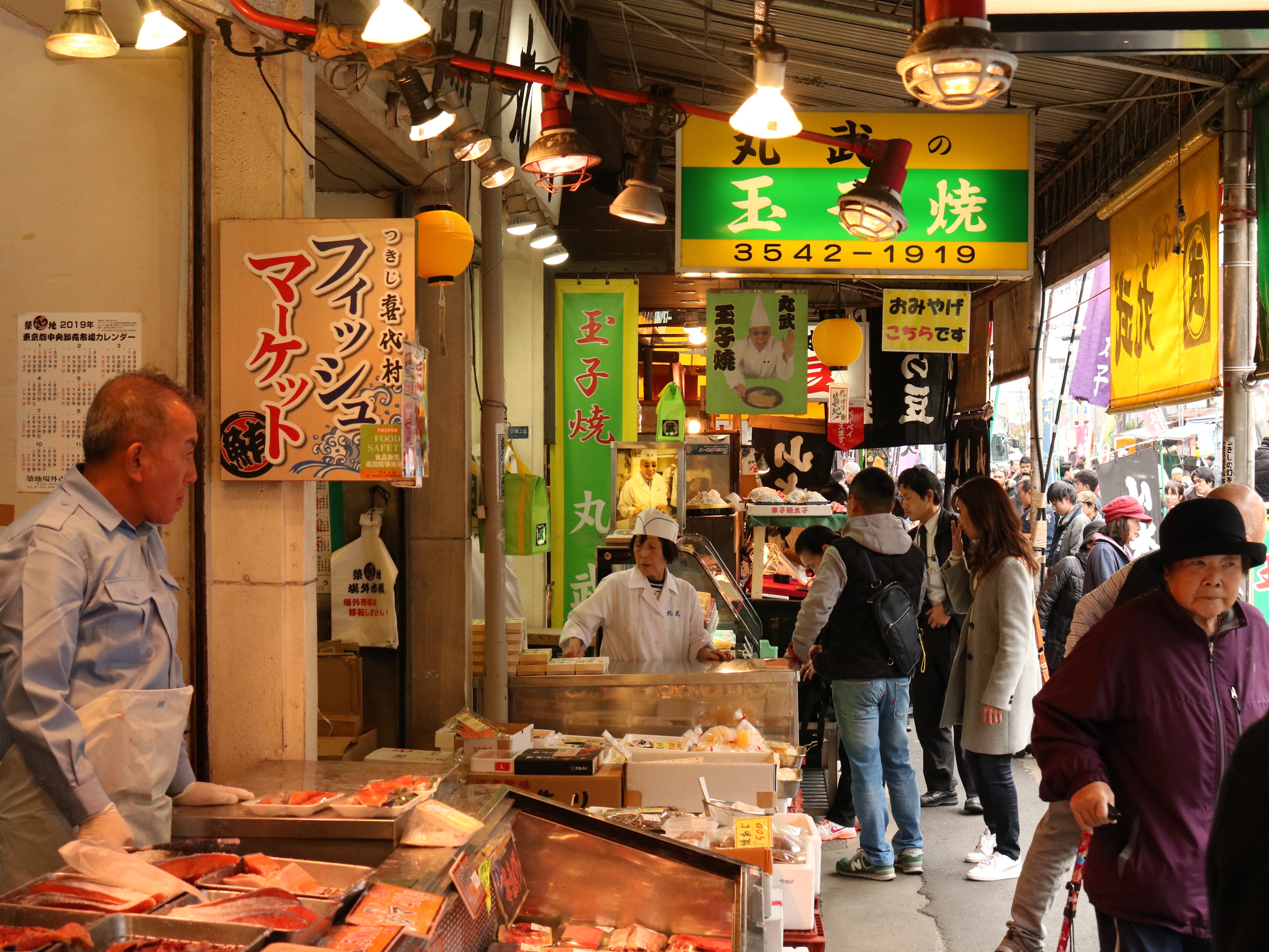
A trip to Tokyo is not complete without visiting the outer market of Tsukiji. Ever since the wholesale fish market was moved across the bay to Toyosu, the famous early-morning auction of tuna and other prized catches can no longer be observed here. But the area still buzzes with activity, especially for foodies; this is heaven for its number of food stalls selling everything from tamagoyaki sticks to grilled scallops in shells, as well as seafood restaurants serving the freshest sashimi and uni-tora (sea urchin roe rice bowl) in town.
A Sea of Neon
Of the many identities that Tokyo has, none can match the intensity of neon lights illuminated on business signs, advertisements, and LED screens. This is almost inseparable from the city; not many people would recognize Tokyo if they were all taken away, almost as if double-decker buses disappeared from London or Broadway shows stopped existing in New York. The digital billboards are undeniably the main thing that makes the city so iconic.
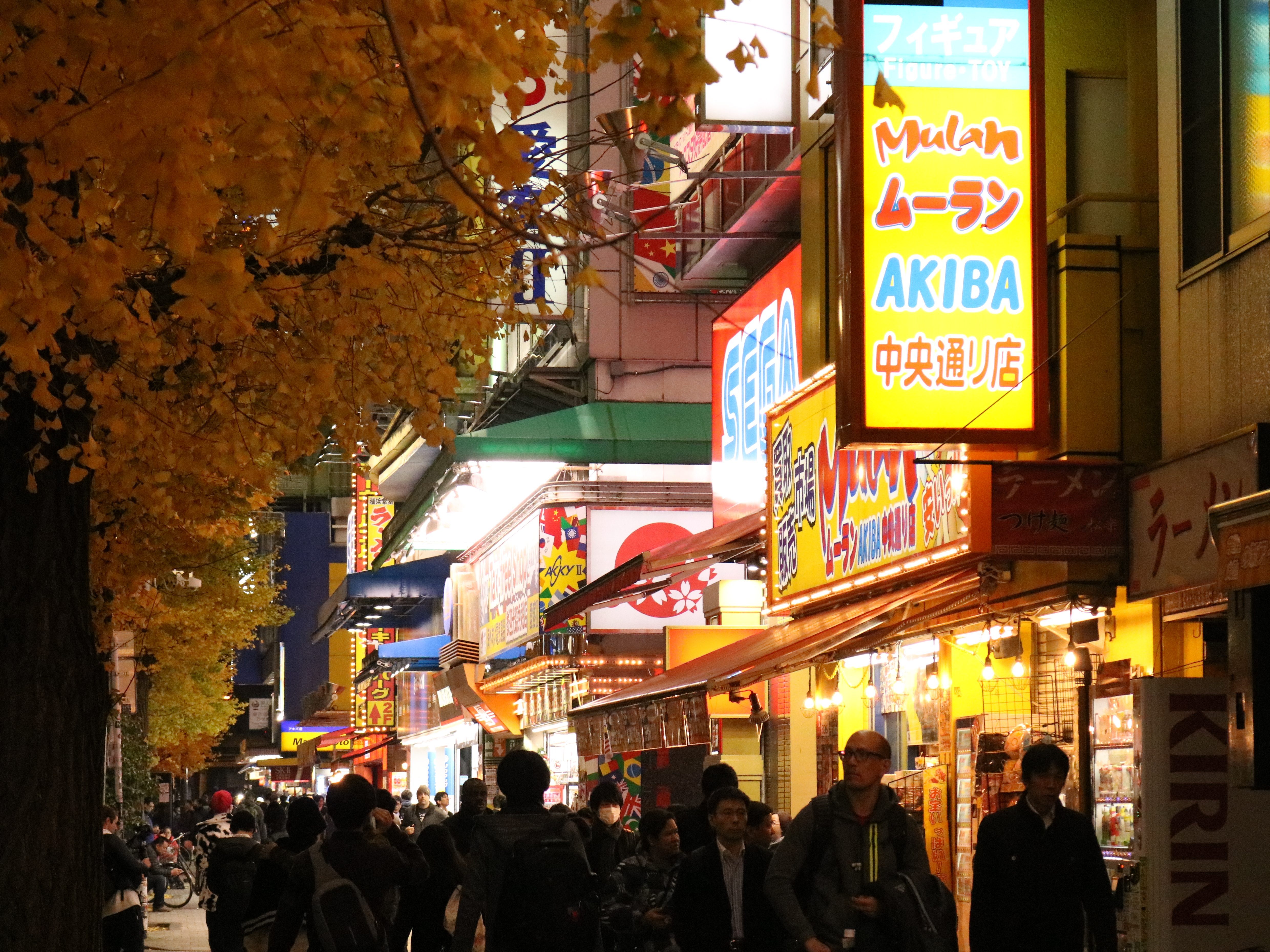
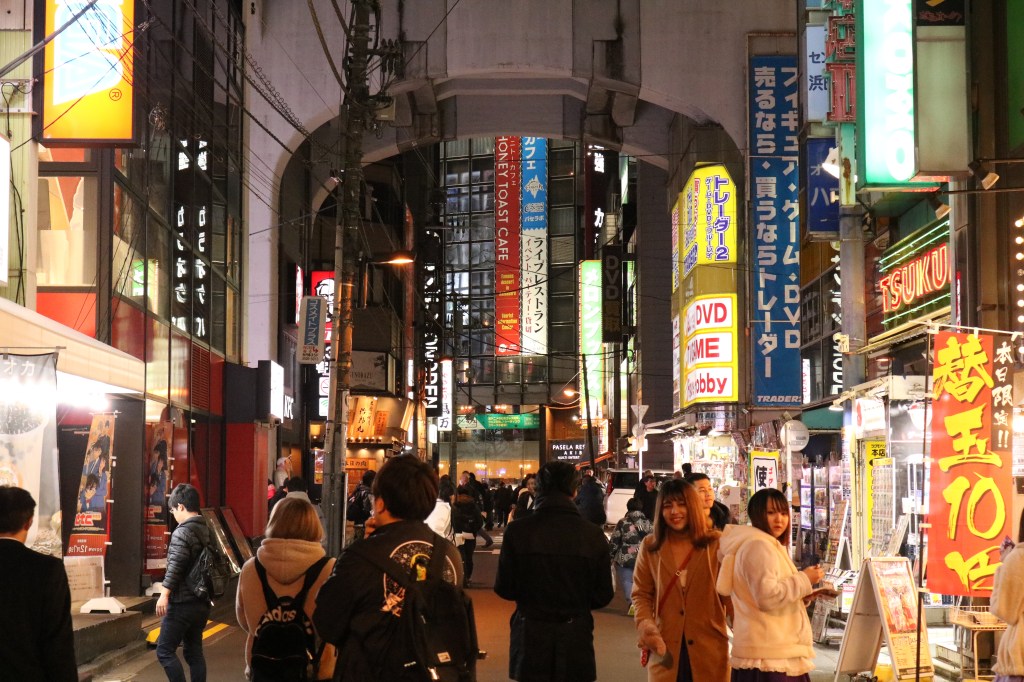
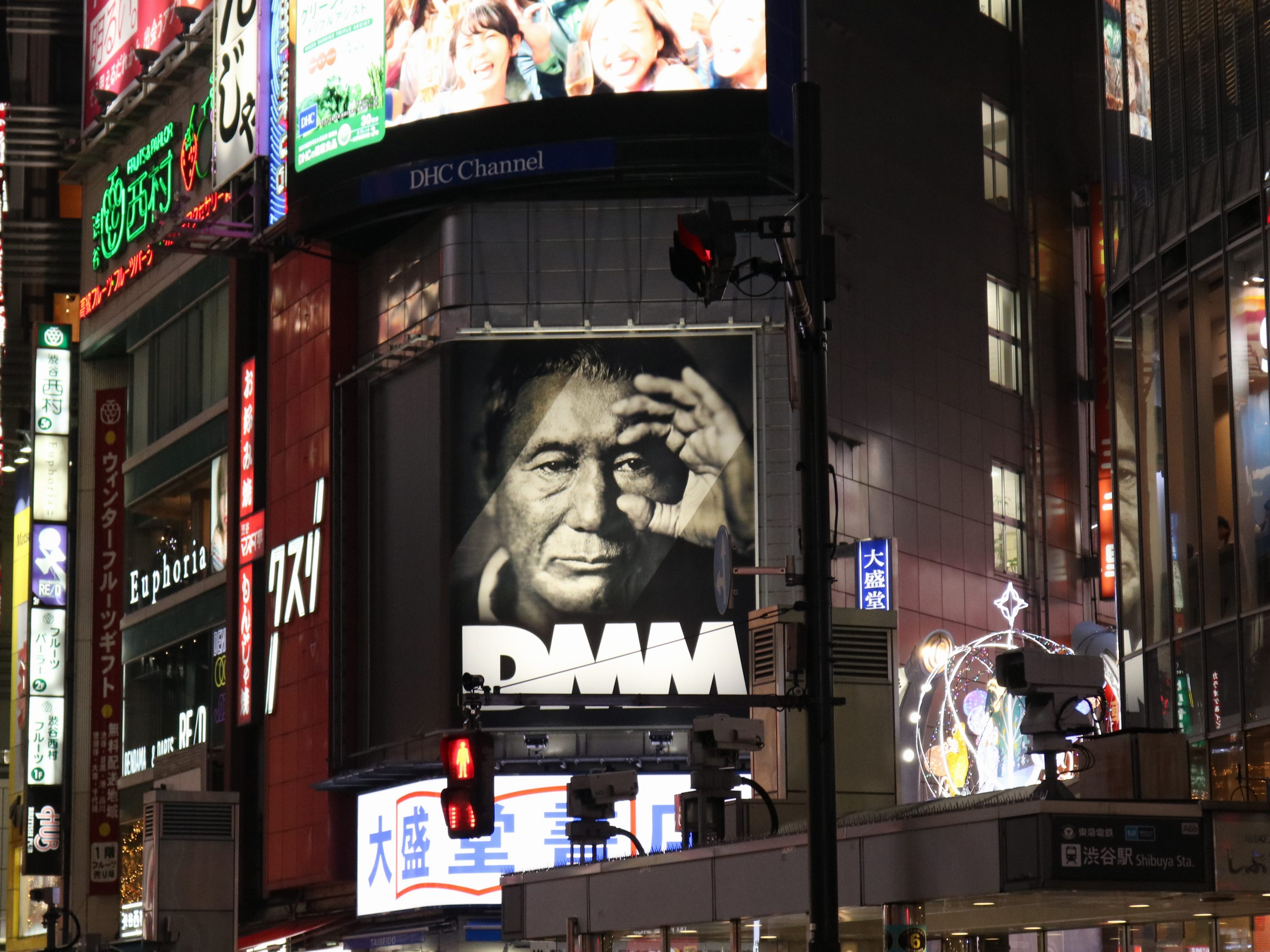
Most of them are found in the busiest commercial districts of the city, with Shibuya being the best known. The so-called “Shibuya Scramble” refers to the intersection just outside of the train station; it is instantly recognizable for being surrounded by the city’s flashiest billboards, making it the city’s very own version of Times Square. Crowded no matter the hour of the day, it is especially atmospheric at night, but pay attention to your surroundings as this is a pedestrian crossing with hundreds of people walking in every direction all at the same time. Unless standing on the side of the road, it is not where to stop for pictures.
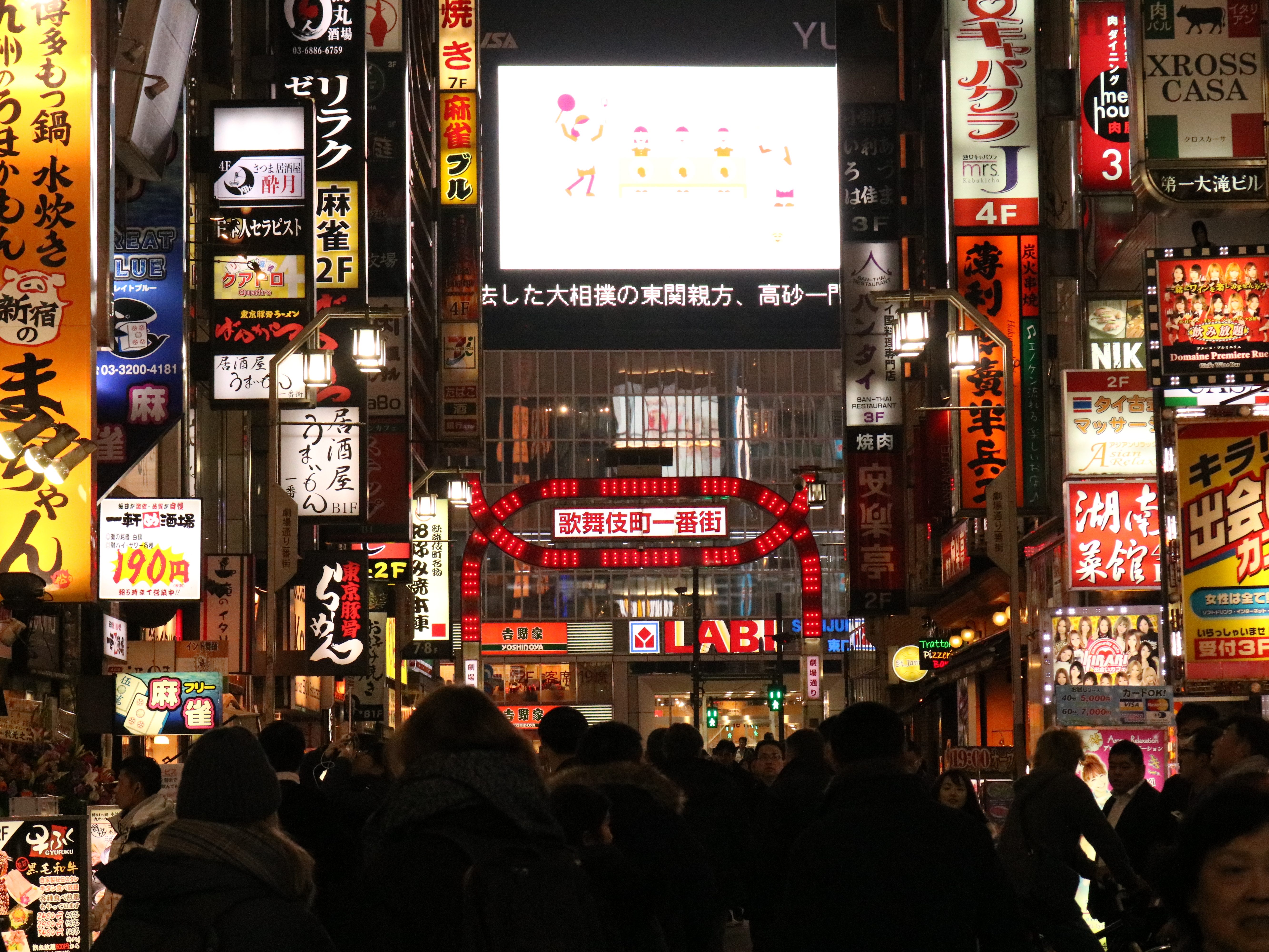
Similar themes can be seen in the electrifying streets of Akihabara, the fashion-fueled alleyways of Harajuku, and the “red-light district” of Kabukicho, all with characters of their own. The latter boasts some of the most intense nightlife anywhere with its huge concentration of bars, nightclubs, and entertainment venues catered to adults only. Kabukicho is also notoriously known for the presence of yakuza, the term for the local mafia group, which is reported to be in control of many businesses in the area. But don’t be put off by this information; they are rather difficult to spot. Being one of the most frequented places for tourists in Tokyo, and having more police on site than anywhere else, as long as you are respectful and know what you are doing, it is almost a 100% certain that you will be safe.
Reaching Heights With Design and Innovation
The streetscape of Tokyo does a fantastic job of transporting anyone straight into a sci-fi film set. Besides the obvious neon lights and advertisement boards, the city’s modern architecture, ranging from sleek skyscrapers to avant-garde museums and galleries, is just as convincing in that regard.
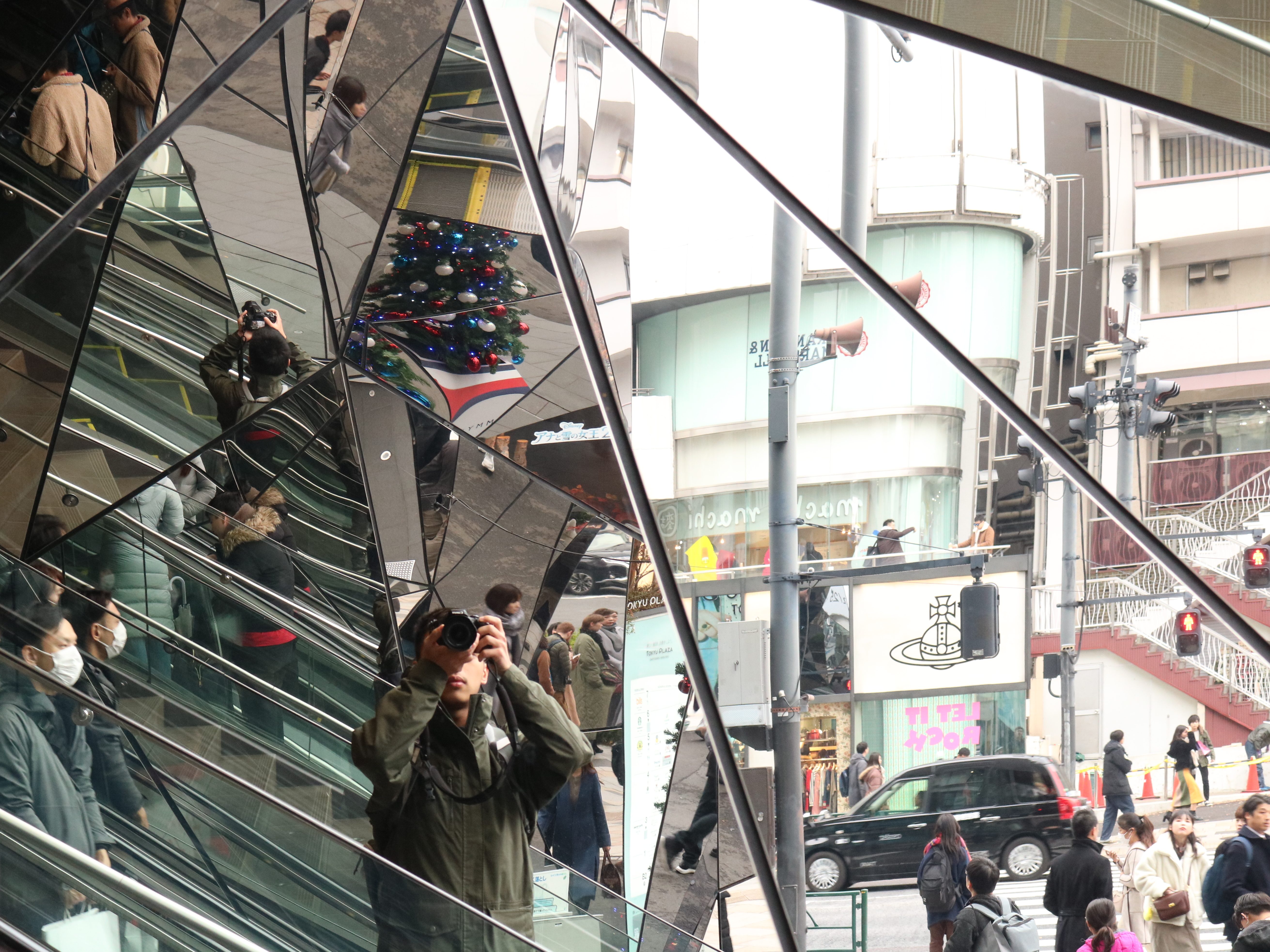
As a visitor, simply walking in the streets of the central neighborhoods is enough to take it all in. One of the best examples is Ginza, the city’s premier shopping district, which has largely maintained its low-rise streetscape to this day but features some of the most cutting-edge architecture on the facades of many of its flagship stores. The same can be said for Omotesando, another popular retail venue dotted with modern yet minimalistic design ideas both on the outside and inside of buildings.
Look up, and you will find the city is racing towards the future with taller and sleeker office towers rising even outside of the central business districts. The star icons of Tokyo Tower and Tokyo Sky Tree continue to stay as fixtures of the sprawling skyline; the same as does the glass and steel cluster of Nishi-Shinjuku, the first skyscraper district of the city, while newer stand-alone additions such as the Mori JP Tower of Azabudai Hills steal the spotlight with their competitive heights.
As mentioned, the contemporary side of Tokyo can also be found on the inside, especially in museums. Featuring mind-twisting exhibits and everything that has to do with light and technology, the experience of being in one does change your perspective on art and design. In the central district of Roppongi, teamLab Borderless is perhaps the most frequented for this. But another place for such abstraction lies in the Mori Art Museum, where I came across one of its rotating showcases on robotics and the imaginative future. The displays of that section alone were enough to keep me in the museum for hours.
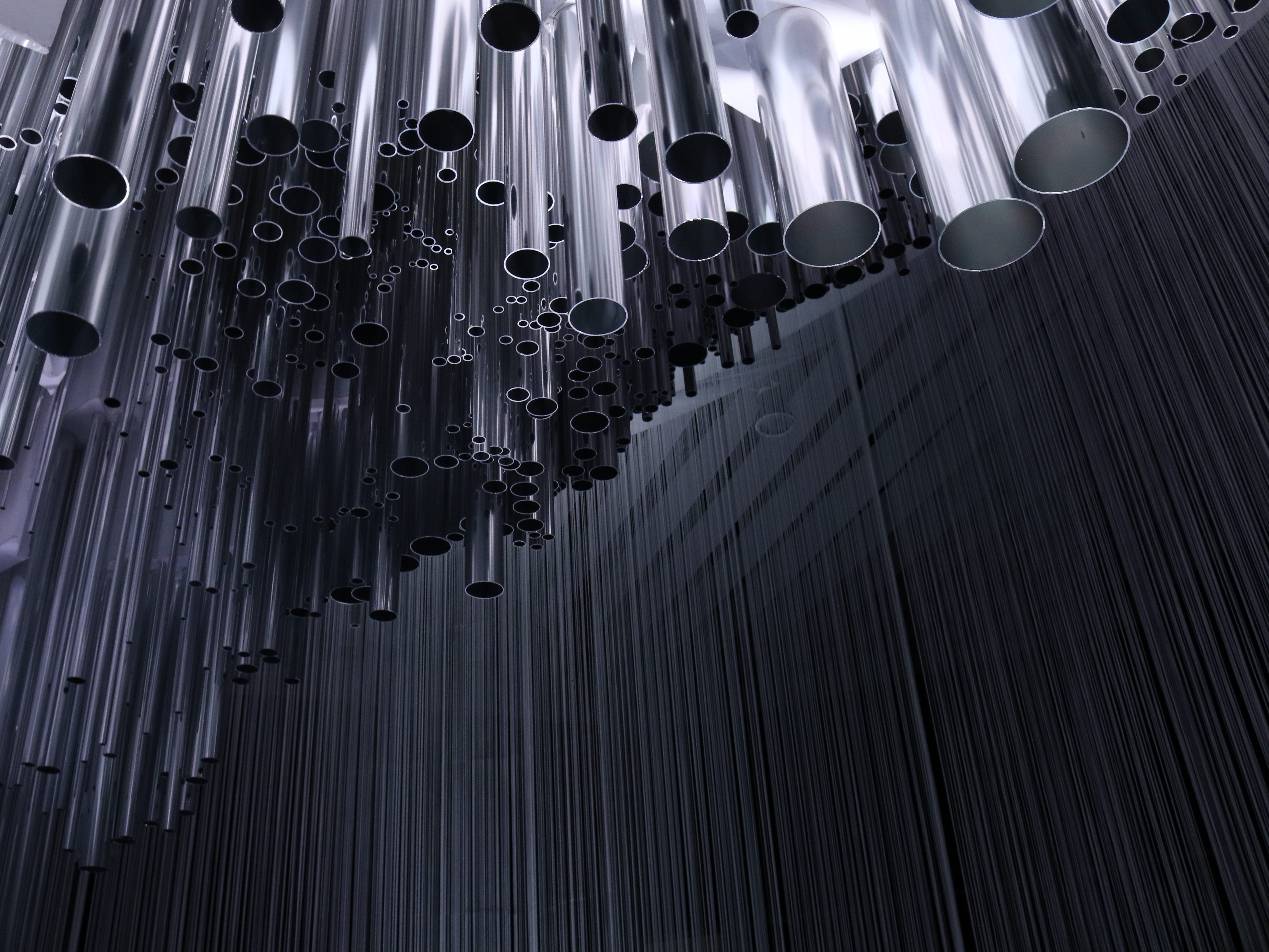
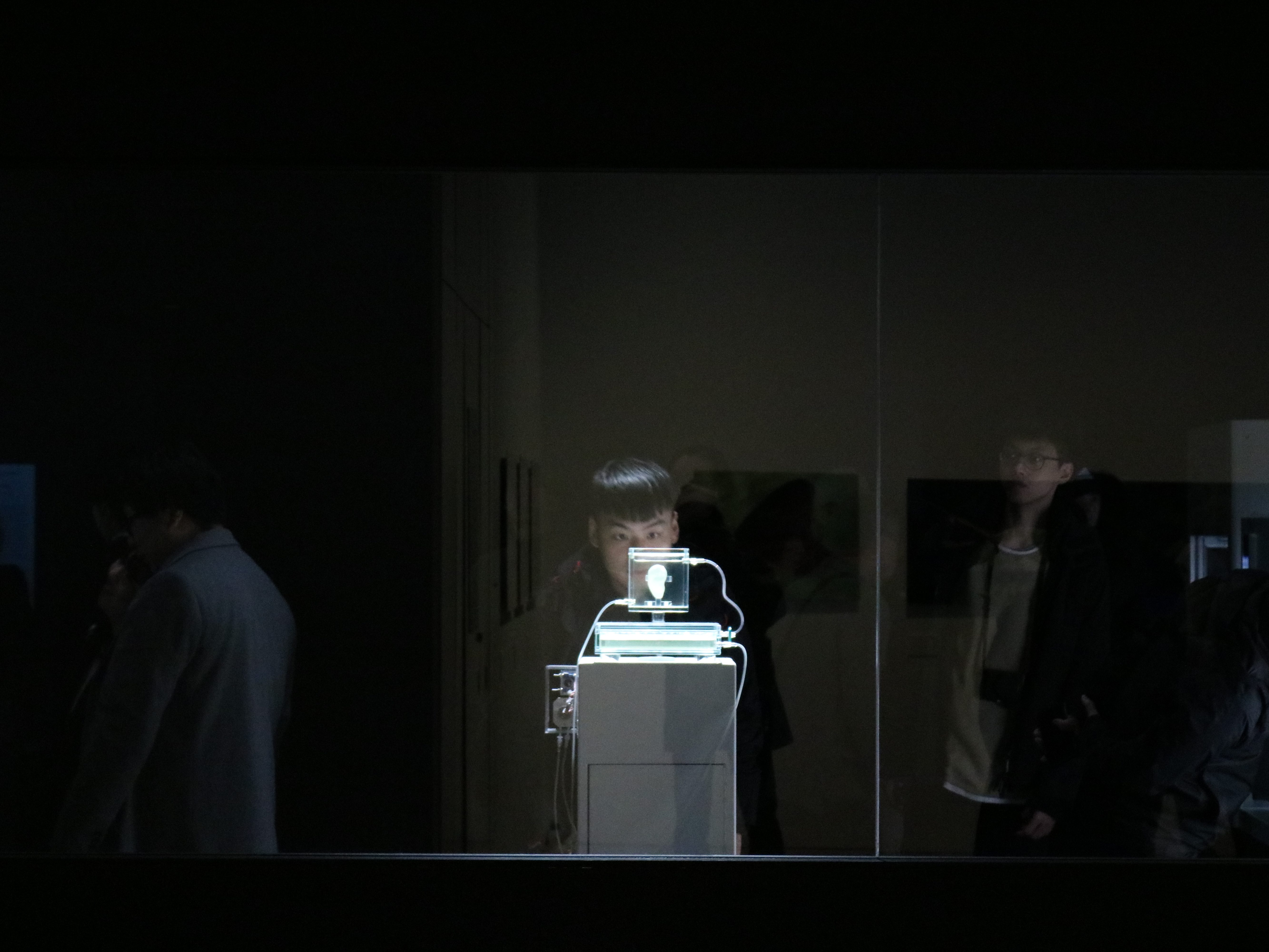
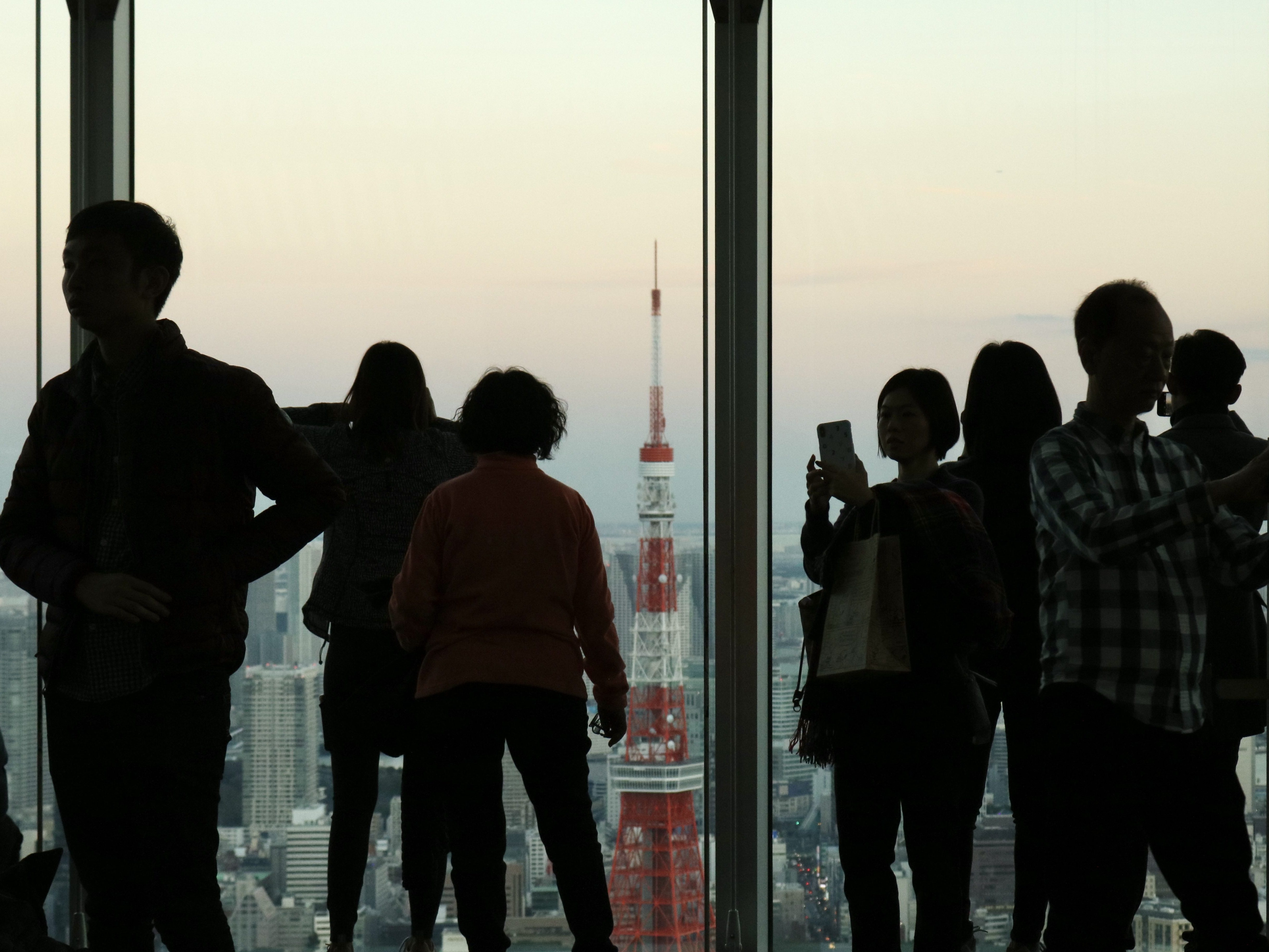
With innovation and technology reaching heights few places in the world can ever match, while balancing traditions of yesteryear so effortlessly, Tokyo is in its own league. Seeing the city from the 52nd floor of the Roppongi Hills Mori Tower, with the international orange and white pinnacle of Tokyo Tower right in front of the panoramic window, I had nothing but admiration for this place.
This could be a much shorter blog instead of a two-thousand-word essay, but hey, I love this city, and there is so much more I could express here. This is Tokyo through my lenses, and thoughts.
それでは、また次回!
 dtnctravel
Leave a comment