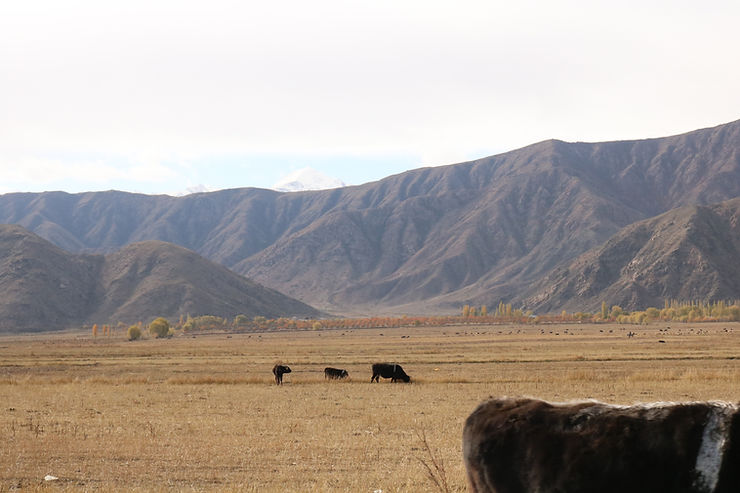
Ok maybe it is not really that unexplored, but this country really exceeded my expectations with its raw landscapes and close to zero tourists.
Kyrgyzstan still lingers in my memory like the first morning dew you see in your garden. It is still fresh and hard to forget, which is just perfect for my very first travel blog!
I arrived in Bishkek via a marshrutka (a van that functions as a shared taxi, and only departs when it is full) from Kazakhstan. I never thought I would actually get a chance to visit Kyrgyzstan due to its remote location, and it is also pretty expensive to get there. Until I found a flight that gave me a short layover in Almaty before heading to Kuala Lumpur. I was thinking if I could extend a few days in Central Asia before doing some calculations, which turned out to not cost me that much. Well, so long hesitation, I booked myself a trip to Kyrgyzstan.
The capital city isn’t a place that you would want to stay for a long time. It is similar to many other cities across the region, where the traffic is horrendous, and the air is hard to breathe. Pollution is a severe problem not just in Bishkek but in many other bigger towns in Central Asia. The exhaustion of toxic gases from factories and moving vehicles makes it a very uncomfortable place to be. This is something that I have to really highlight here, unfortunately.
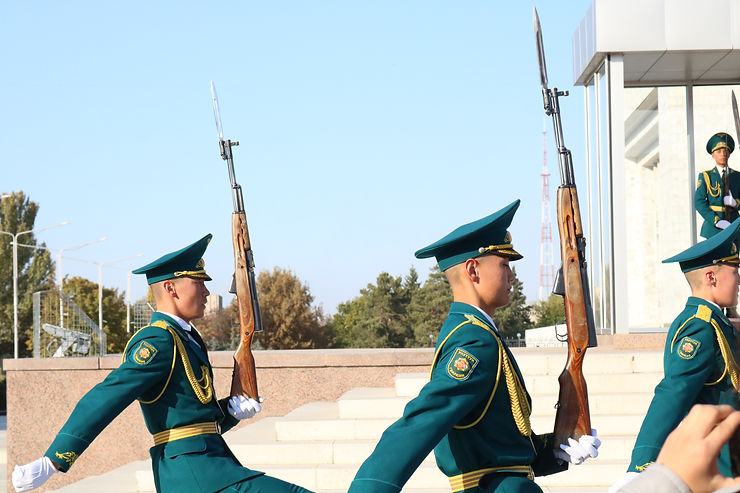
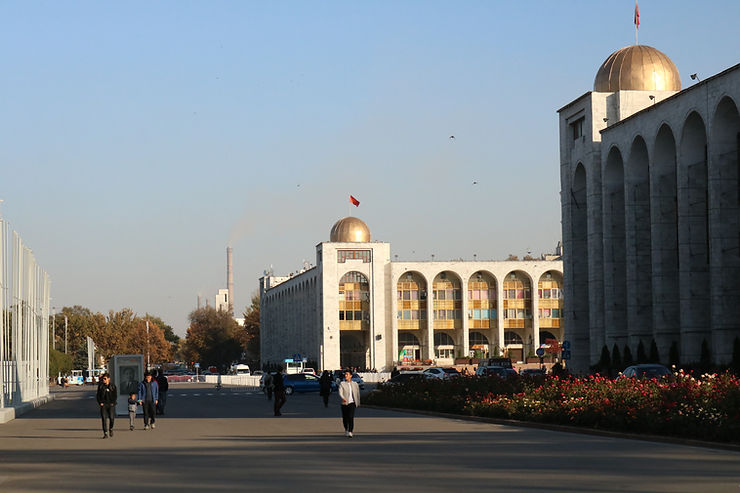
My tour guide picked me up from the gates of Western Bus Station, somewhere along the massive Silk Road Avenue. He took me to see some of the highlights of the city, and we were just in time for the changing of the guard ceremony at Ala-Too Square.
Leaving the smoky air of Bishkek behind, we headed east to the Issyk-Kul region. It was a long and dark journey; the sun set at 5:30pm, and then everything became pitch black the more we drove into the wilderness.
Issyk-Kul Lake in the region of the same name is the largest in Kyrgyzstan, and also the second largest saline lake in the world after the Caspian Sea. It is huge to navigate and drive from one end to another. We stayed at the Bel-Tam yurt camp, which is located on the southern shore of the lake, close to the town of Bokonbayevo.
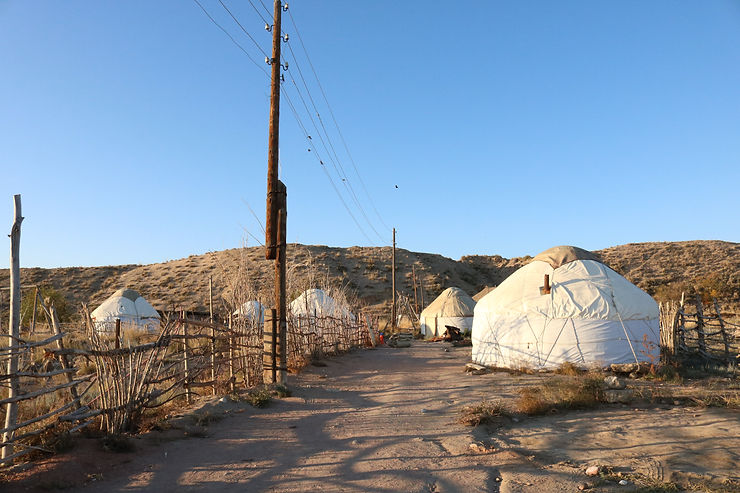
I remember it was frosty in the morning, but it felt very nice to breathe in some very fresh air, and also to be away from the bustling traffic of cars and people of the capital city. I left my yurt with my sleeping clothes on, locked the door, and headed for the calm and dreamy views ahead of me.
And you thought I was out for a very long time…
No, I did not; it was too cold.
With my lousiest morning looks, I went into the reception building, shivering like crazy, to ask for a towel rental. The staff looked at me with a welcoming smile and gave the towel to me for free. Then one of them opened a room and told me that I could use the hot water inside for a shower. If God doesn’t bless those people, I will tell God to, for real.
After breakfast with some wonderful travelers (or new friends!), we headed up to the mountains for some horse riding. Horses are indigenous to the people of Central Asia; they ride them, milk them, and even eat them. The animals are just a part of the culture here, and you can still see the locals riding them anywhere.
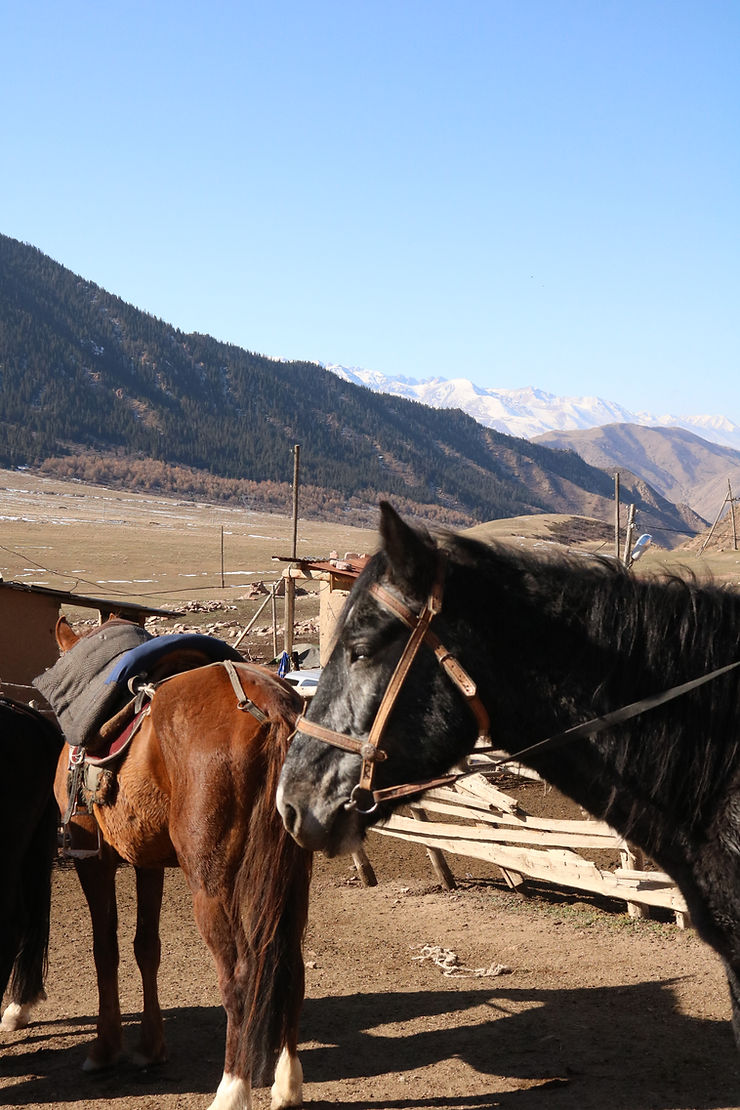
We had another guide to take us up to the highlands of the mountain range. Although he spoke very little English, his guidance on how to control a horse really wasn’t too hard to understand. But you know, I kind of messed up with everything he said. Still, he was behind my horse and took care of everything very well. I didn’t really have to worry about anything at all, even though my horse was kind of suicidal…
The views during the ascent were breathtaking; as we were visiting in late October, there were several sections of the trail that were covered in snow. I really didn’t do a lot of controlling with my horse as I was busy taking pictures of the scenery around me, which explained the many times that my horse nearly slipped down the hill. When we arrived at the top, the view of the lake stretched as far as the eye could see. The Kungey Alatau Mountains of the north shore became visible from where we were, and below the rugged red hills of the south extended along the shore like a bow.
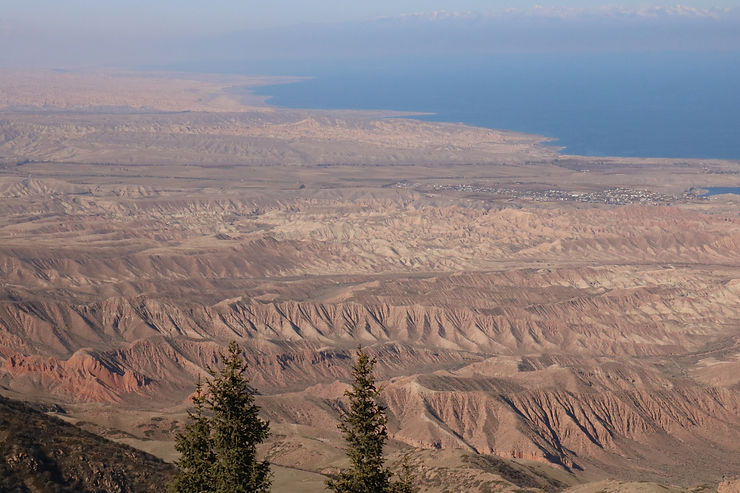
After some adventuring in the mountains, we drove east to the town of Karakol. The journey was a breathtaking one, as the clear blue sky made way for the Kungey Alatau mountains to appear on the horizon and the lake itself was the deep cerulean color that most children would imagine a typical lake to be.
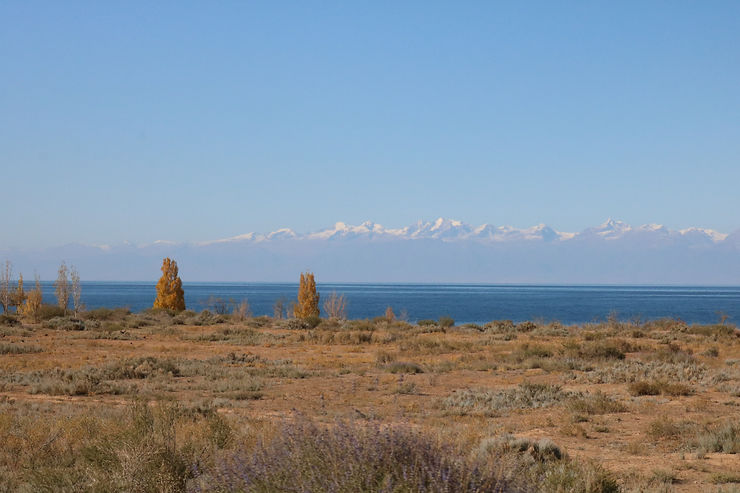
We stopped very often for pictures on the highway, as it looked a lot like some places in the US to me. You could literally fool someone by telling them it is somewhere in Colorado; I mean, look at this!
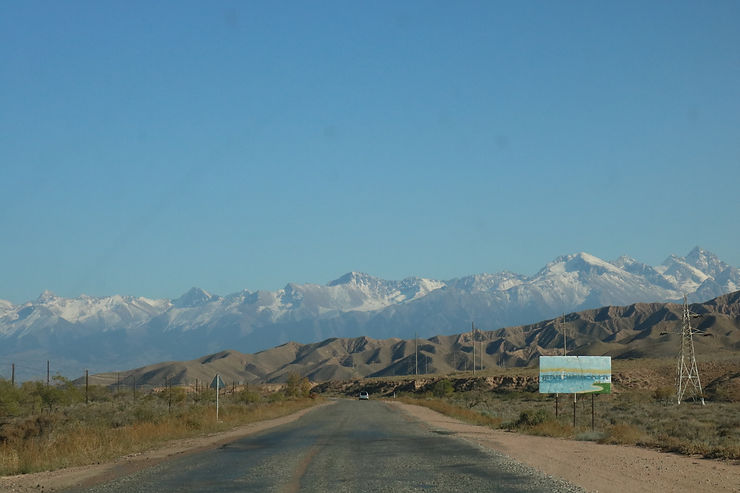
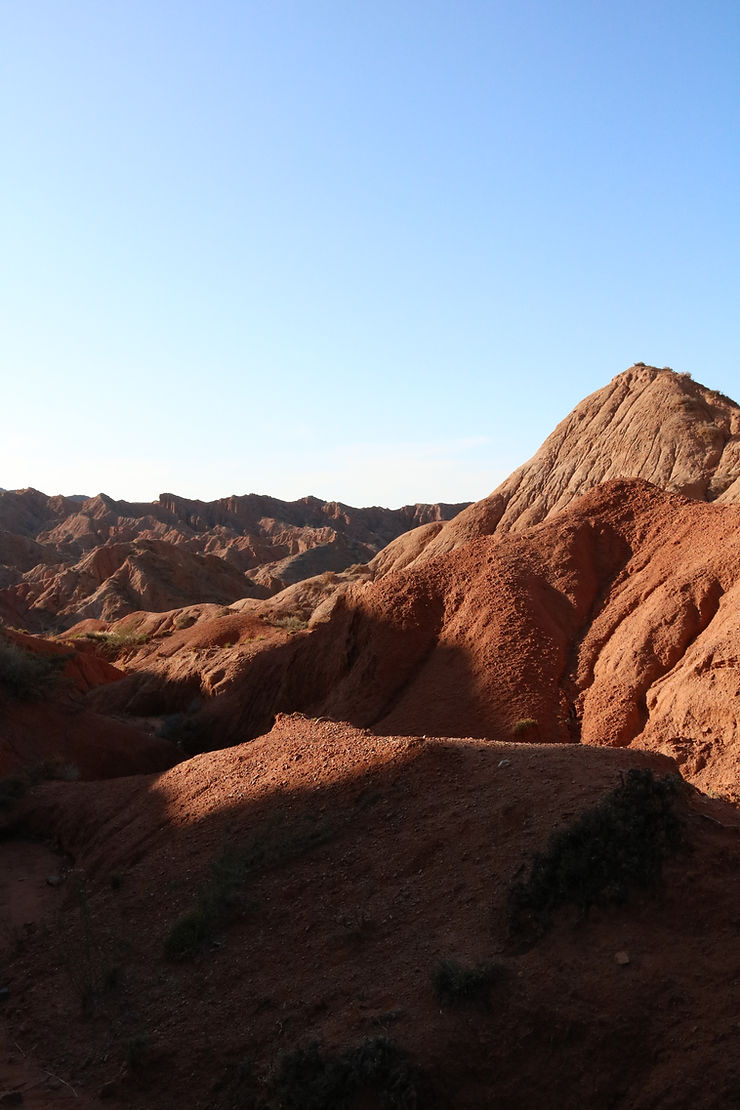
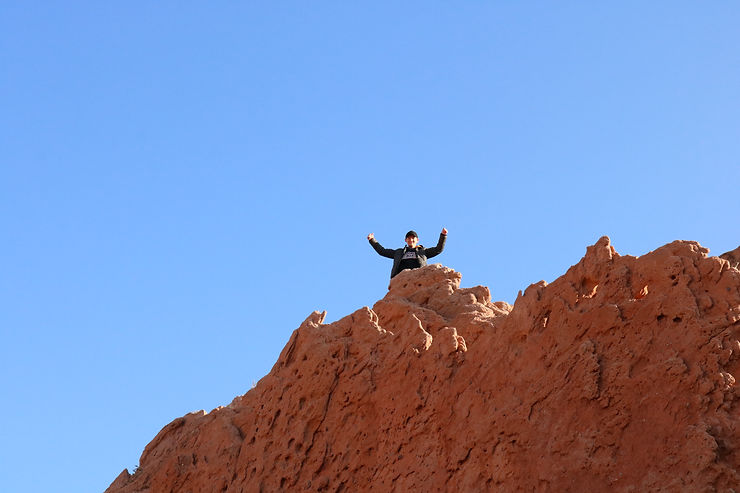
Then there was this particular location that really reminded me of Utah (even though I’ve never actually been). You really could not tell the difference if you were to compare it to the American state. Fairytale Canyon is that one place along the southern Issyk-Kul shore that has the red boulders and rock formations, formed by the cutting of wind, ice, and other natural elements. We wandered around the area, as we were the only people there, and climbed on the rocks for silly pictures. It was amazing to be in a totally different place, even though we were only a skip away from the scenery that most people would imagine Kyrgyzstan to be. I did not imagine that there was a place like this in the country!
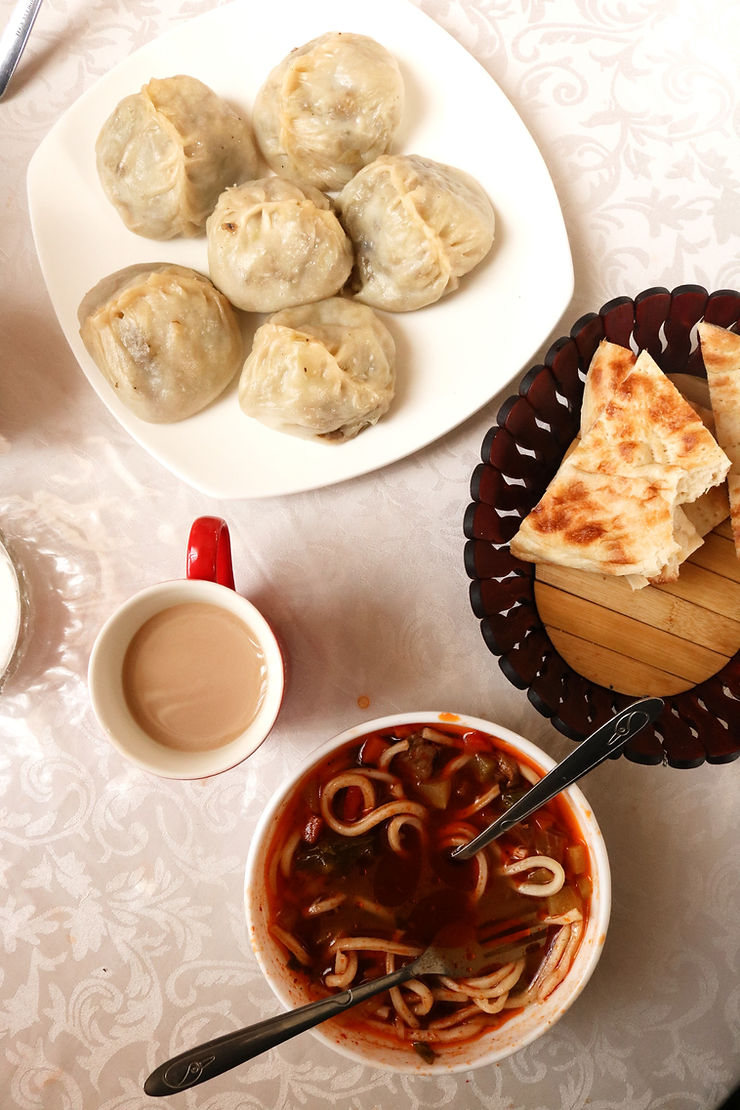
About three hours later, we arrived in Karakol in the setting sun. We made our way to the house of my tour guide’s wife for a night stay, although I left my bags and my passport back at the yurt as I thought we were supposed to head back that night. Still, her father was a very welcoming man, and he made a lovely dinner for all of us with warm milk tea and some Kyrgyz treats.
It was my last day in Kyrgyzstan; we bid goodbye to her dad and headed back to the yurt camp to grab my stuff. Then we stopped somewhere along the highway for lunch, and boy, that was the time that I really fell in love with Kyrgyz cuisine.
Before making our way back to Bishkek, we stopped at the ancient site of Balasagun, near the town of Tokmok. This is where the iconic Burana Tower is located, perhaps the most recognizable landmark of the country, and was built sometime around the end of the 9th century.
The tower was constructed, according to a local legend, by a king who wanted to protect his daughter from death at the age of eighteen, as warned by a witch. Nobody could access the tower except a servant who brought her food. She grew up into a beautiful lady, but was killed by a spider that hid in her food at the age of, well, you guessed it.
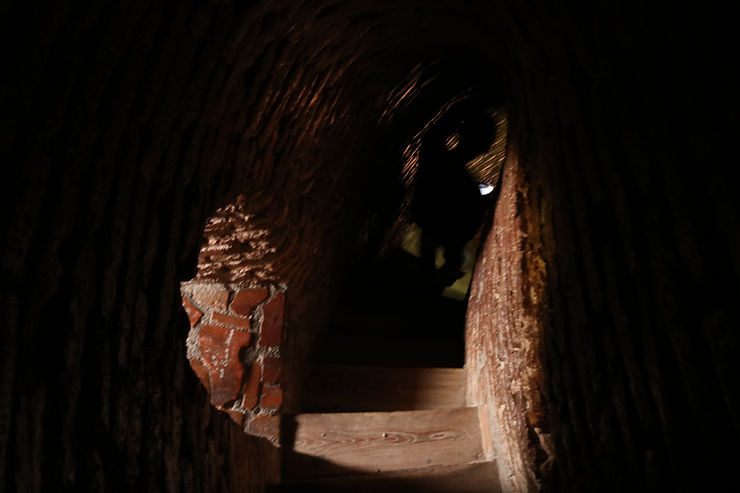
Regardless of the story surrounding it, the tower is now accessible with a small fee, which includes the entire archaeological site as well. You will have to climb a spiral and steep stairway that winds in the tower to the top, where you can get to see a view of the ancient city and the surrounding mountains.
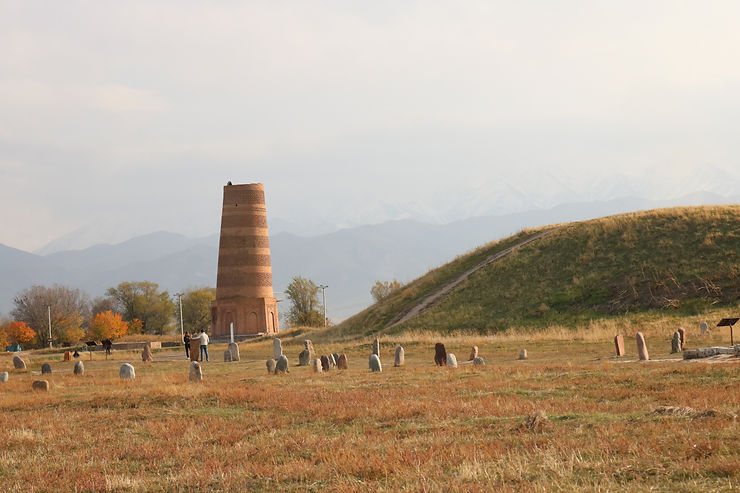
What I really loved the most about the place was the experience of walking around the ruins. There are designated sections for the castle rooms, mausoleums, and grave markers in the site. Most areas have very informative signs that describe the area you are in in Kyrgyz, Russian, and English. There is also a small museum that shows the treasures found around the area; pictures are not allowed.
Grabbing a few souvenirs and postcards, we arrived back in Bishkek 40 minutes later. The evening sky and the horrific haze from the congested traffic turned our journey to the city center a slow one. I really still do not understand how the locals could even breathe; there is no fresh air, just dark smoke and dust from the moving trucks and neighboring factory pipes.
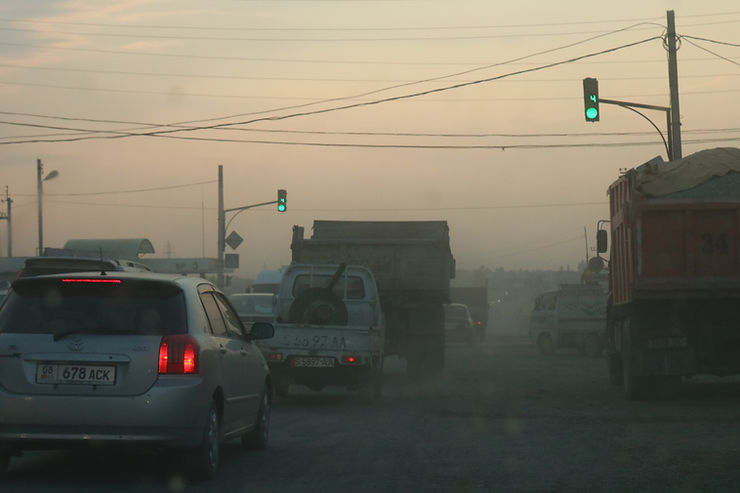
Despite the smoky scene I was in, it was the time of leaving. I sat on the front seat with my camera still being held in both hands, awaiting another thing to capture. Thirty minutes passed, the sky turned dark blue, and planes started to appear in front of me.
Kyrgyzstan is a country unlike any other I’ve visited. Never had I ever been to a place where I was so close to nature, like I belonged to it. The culture here is still very traditional, the buildings are still very Soviet looking, it seems like nothing has changed.
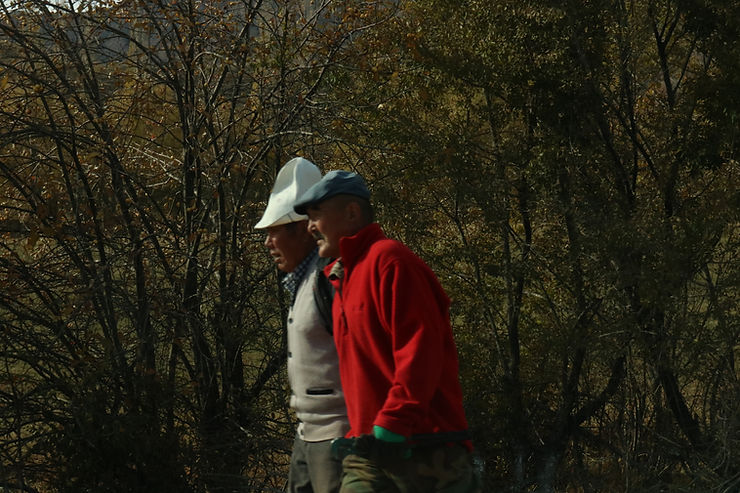
My tour guide Mirbek told me to return one day, and we will do a longer trip around the country. It is true, I have only seen a tiny speck of Kyrgyzstan; there is still a lot more to explore.
Written in November 2019


Leave a Reply